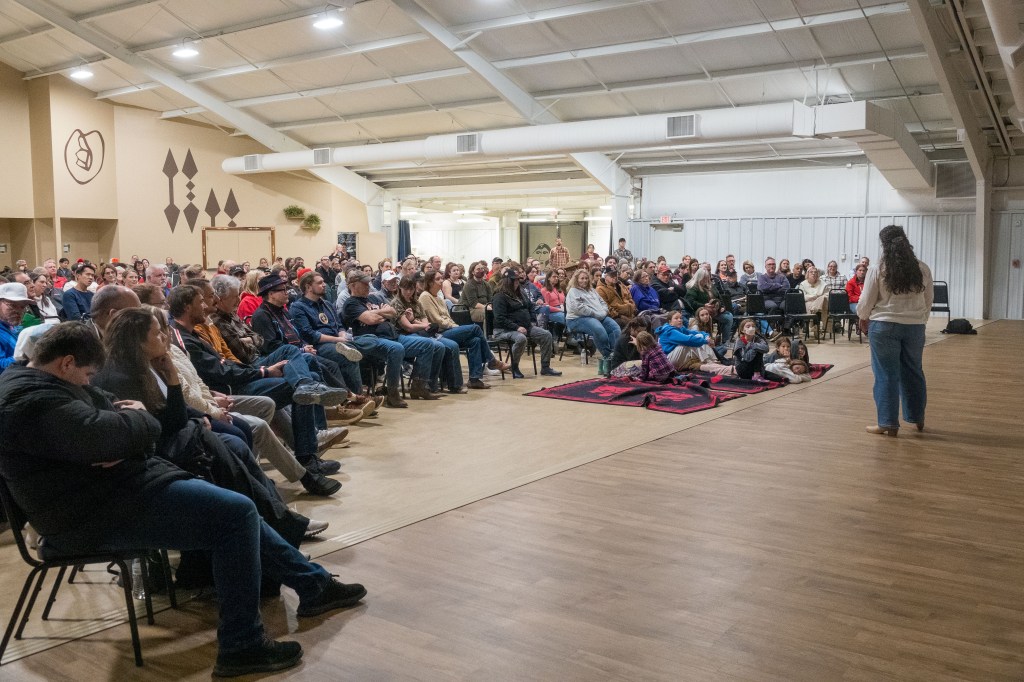
The Myaamia community gathered in Noošonke Siipionki ‘Miami, Oklahoma’ for the 28th annual Winter Gathering, January 23-25, 2025. This is one of the major events hosted by the Miami Tribe of Oklahoma, bringing together Myaamia people to celebrate culture and learn important updates within the community.
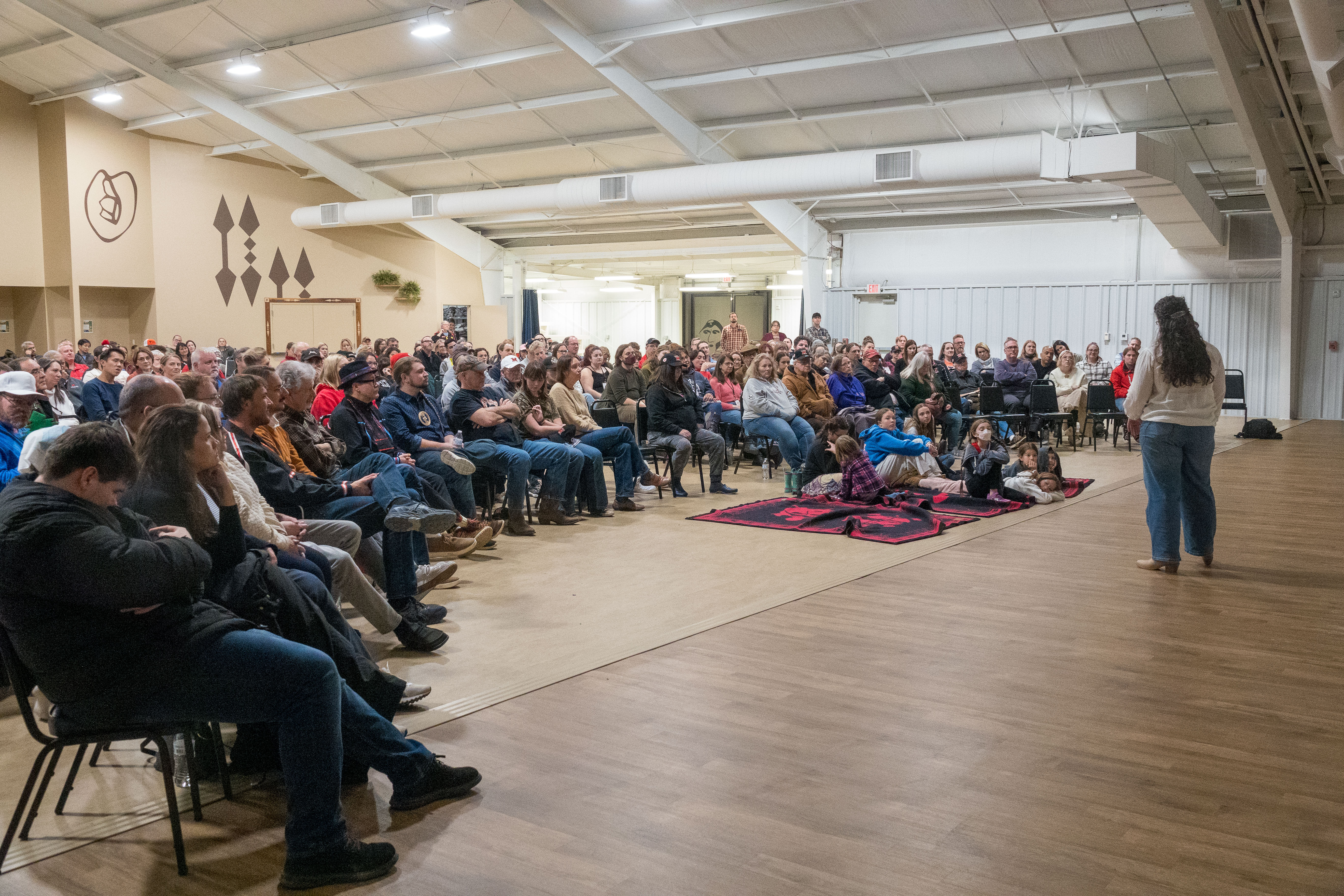
The three-day event featured Myaamia Winter Storytelling, Stomp Dancing, and the opening of “Neehaapiikasiciki: The Healing Threads of Myaamia Ribbonwork” at the Myaamia Heritage Museum and Archive.
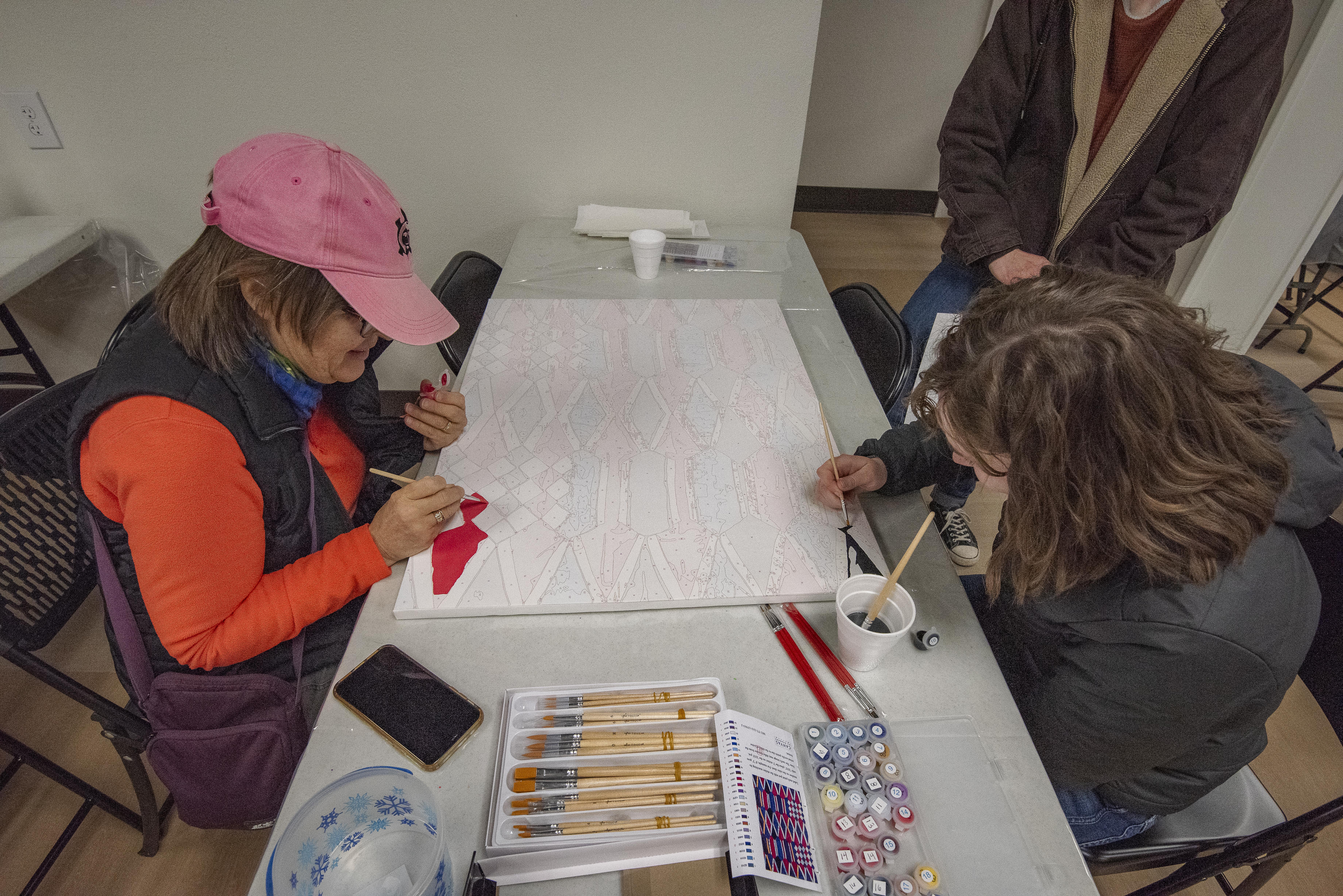
The weekend started with the museum’s opening reception of the “Neehaapiikasiciki: The Healing Threads of Myaamia Ribbonwork” exhibit. Myaamia community members were invited to view the pieces, discuss the exhibit with museum staff, and participate in a community art project depicting Myaamia ribbonwork patterns.

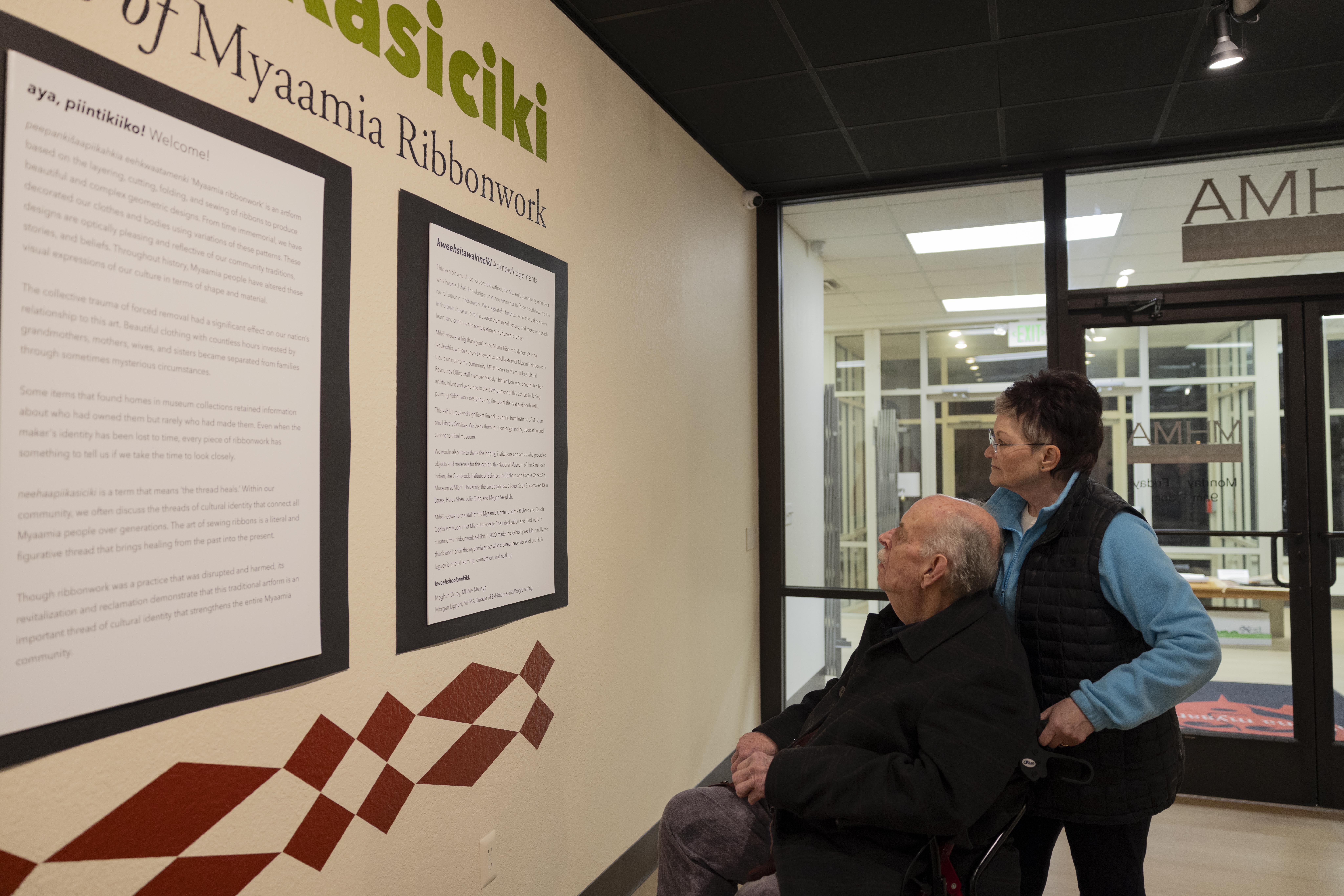
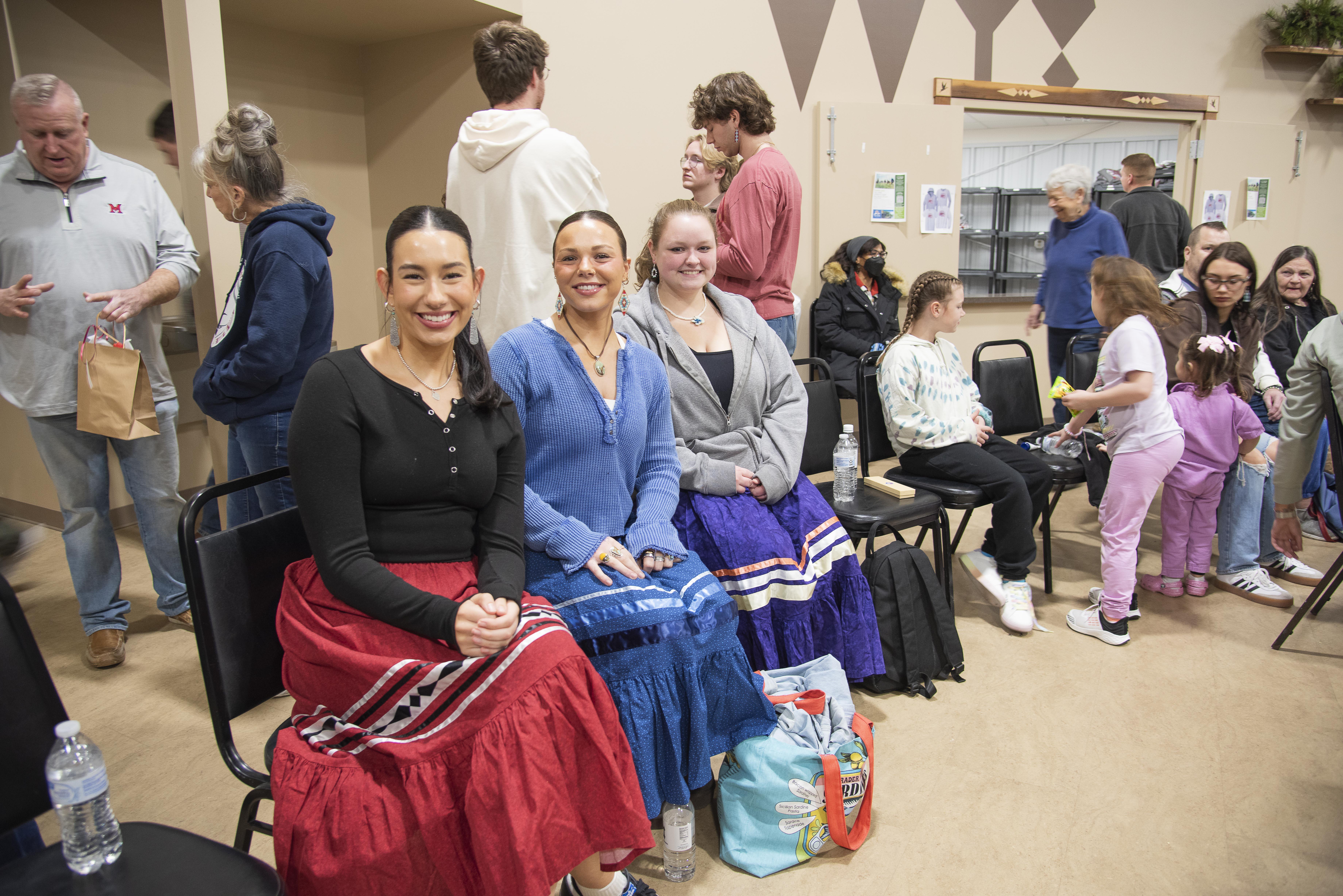
After the opening reception, around 70 guests from the Myaamia Center and Miami University arrived in town for dinner with Tribal leadership at the Prairie Sun Event Center. Since 2001, the gathering has served as a unique opportunity for the Myaamia Center, the Tribe’s research center at Miami University, to invite Myaamia Heritage students, colleagues, and respected guests from the university to spend time in Miami, OK, and participate in Myaamia cultural activities with the community.
On Friday, community members and their guests met at Prairie Sun Event Center to visit, play Myaamia games, and eat lunch after being welcomed by Akima Lankford. After the meal, Meghan Dorey, curator at the Myaamia Heritage Museum and Archive, presented the history and process of bringing the new exhibit pieces to the museum.
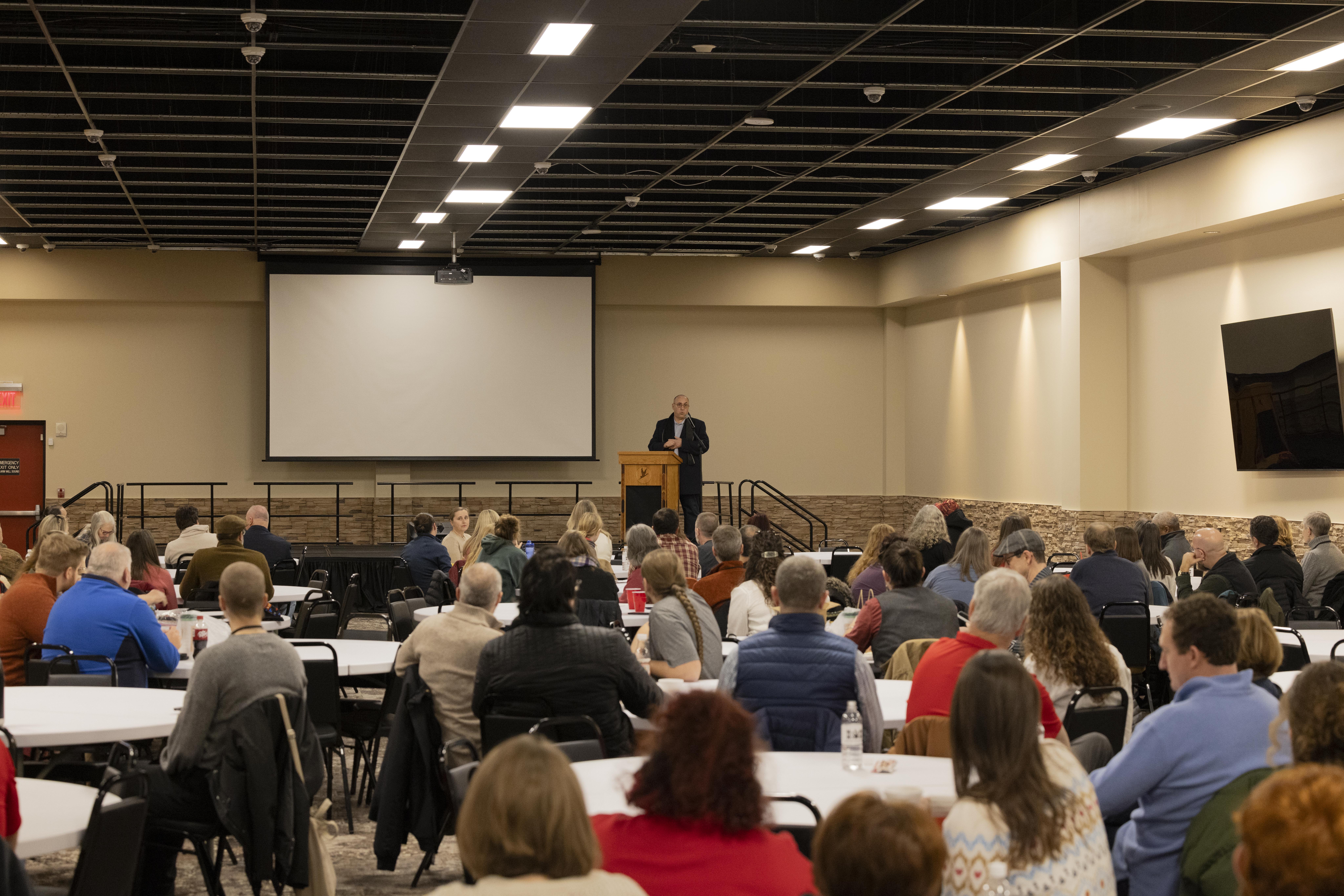

Meghan explained how many pieces of Myaamia ribbonwork were purchased by private collectors in the 19th and 20th centuries from Myaamia families – only to be stored in cardboard boxes, pushed to the back of attics, and forgotten about entirely. Many of these families were facing financial hardships due to assimilationist policies such as forced removals and felt they had to sell their cultural items to survive. Years after these collectors passed, their children found the pieces and sold them to various museums and institutions. It was truly a special experience to see these pieces make their way back home to the Myaamia community.
A highlight of the weekend’s activities was listening to Aalhsoohkaana ‘Winter Stories’ at the Miami Tribe’s Council House on Friday night. These stories can only be told in the wintertime, and often involve beings that are treated with special respect by Myaamia people. Humans also show up in Winter Stories, but in these stories, humans are not the only beings who can talk and cause meaningful change in the world.


There were 8 stories told, including a new story told for the very first time by Ciinkwia ‘Jarrid Baldwin.’ Keep an eye on future blog posts to learn more about the process of creating this new story. We also heard two new storytellers, Ahsapa ‘Jared Nally’ and Awansaapia ‘Elliot Baldwin’ tell stories publicly to the community for the first time.
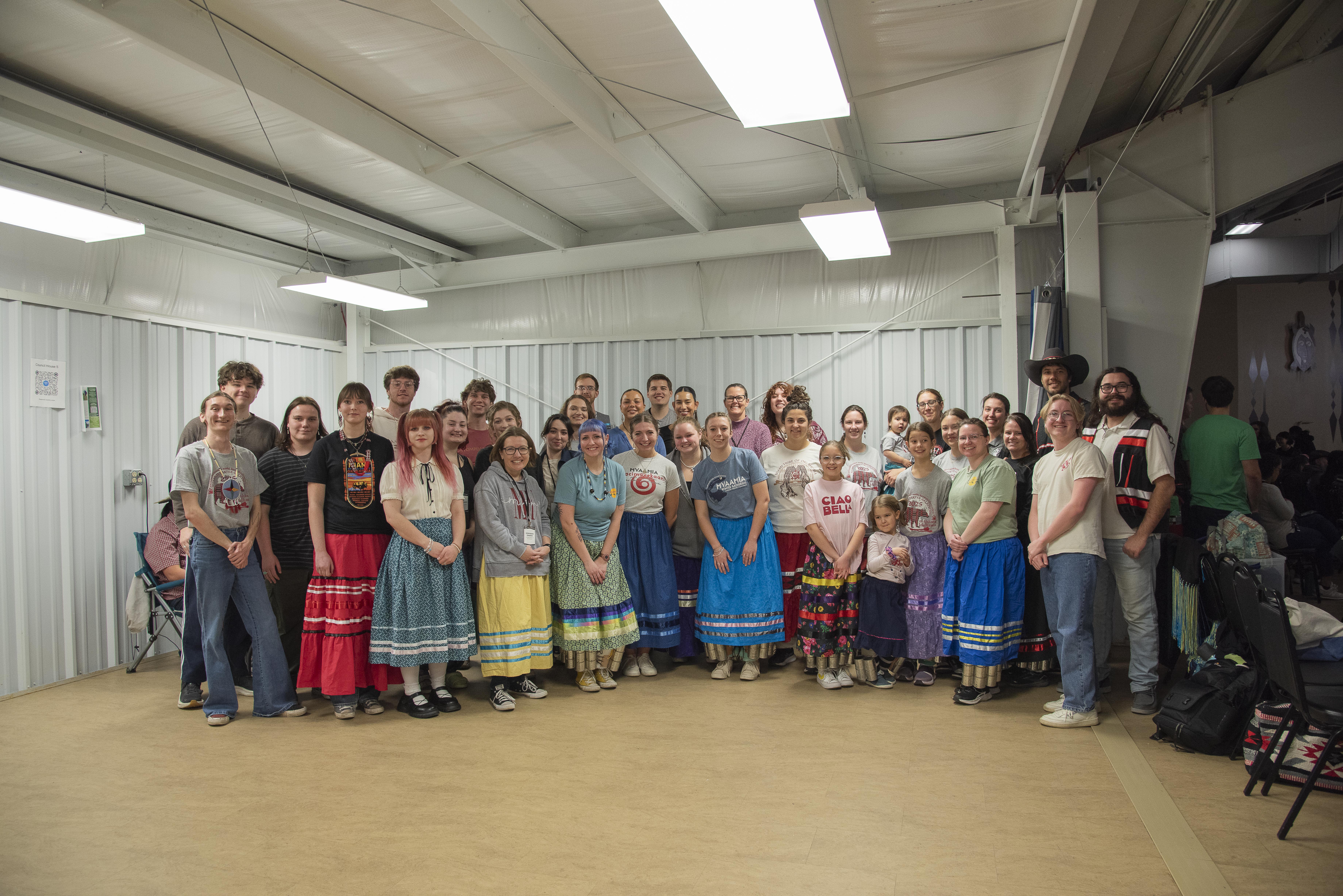
The next evening, Saturday, January 25th, the community gathered back at the Council House for Stomp and Social Dances. The event opened with a gourd dance before dinner was provided by the Miami Tribe. Stomp and social dances began after dinner and carried on until after midnight. The event was hosted by the Miami Tribe, but shakers and callers from different Tribal nations, including the Wyandot, Shawnee, Seneca-Cayuga, Euchee, Cherokee, and others joined us to lead their own songs and social dances. Mihši neewe ‘thank you so much’ to everyone who joined us to participate in these fun-filled dances!

 Aacimotaatiiyankwi
Leave a comment