The Nipwaayoni Acquisition and Assessment Team (NAATeam) has spent the last year advancing work supported by a Robert Wood Johnson Foundation grant. In the later phase of this three-year project, we are focused on sharing the process that our team used to develop an understanding of Myaamia well-being and how we intend to measure it within the Myaamia community.
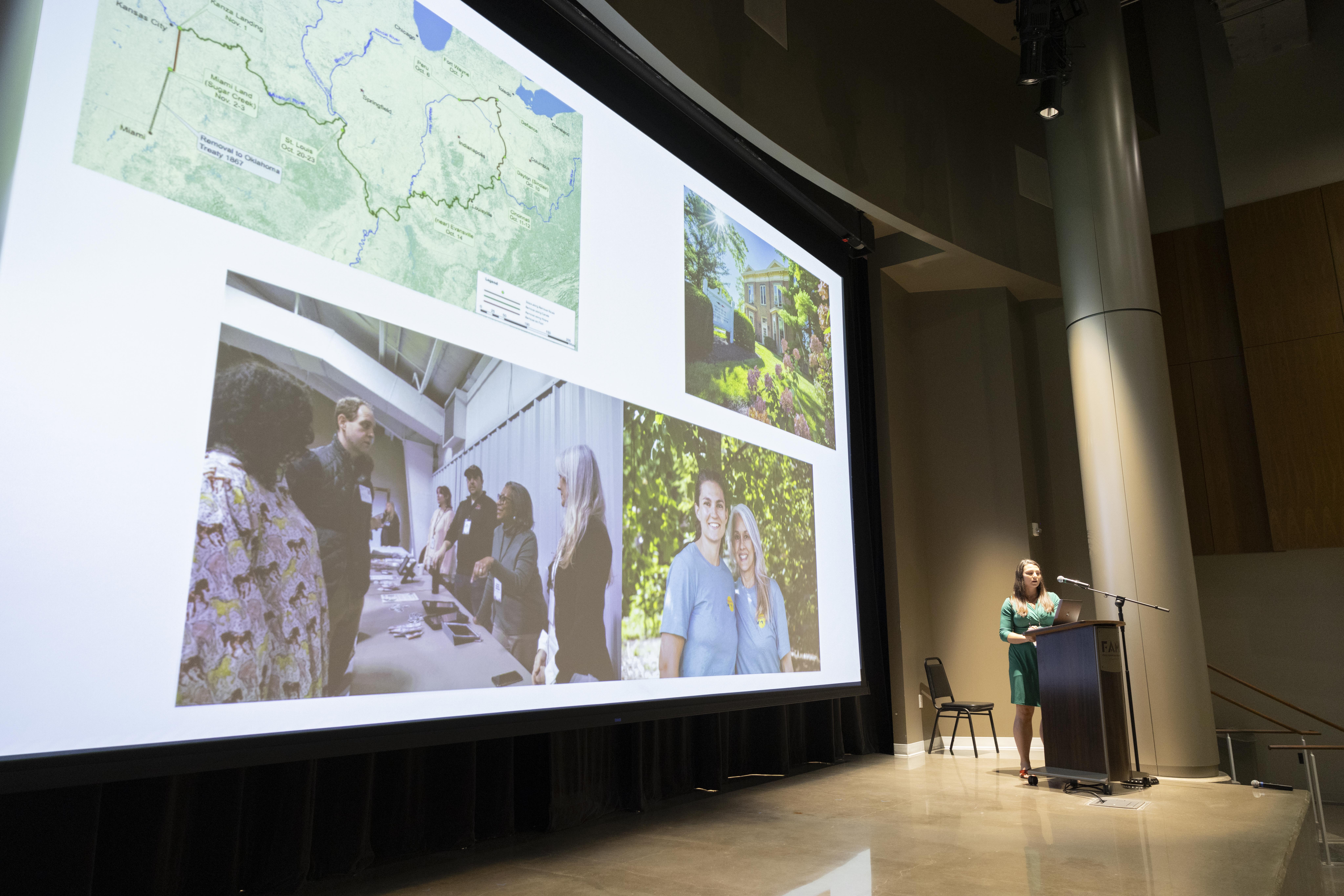
This is being accomplished through conference presentations, with the most recent presentation held at the Algonquian Conference at the First Americans Museum in Oklahoma City, OK. Additionally, we are creating a workbook that describes our process and identifying some academic publications to broaden our reach so that others can learn and critique what we are producing.
We’ve come to realize, as we share with public audiences, that our work does not fit neatly into standard wellness topics and is a slight departure from the “norm” for the audiences we engage with. For this article, we wanted to explain some of the topics that influence how we think about and discuss myaamia nahi meehtohseeniwinki ‘living well.’
Situating the Myaamia Person within Community and Global Contexts
In the creation of the nahi meehtohseeniwinki model, it was important for us to distinguish Myaamia practices or ways of knowing from other ways of being or thinking that have origins outside our Myaamia knowledge system.
In a future blog post, we will look more specifically and show examples of how we differentiate ways of knowing but for now, we want to simply introduce the idea that some behaviors and ways of thinking have direct connections to our Myaamia identities. This is important because Myaamia history is full of attempts at resisting and adapting to a wide array of colonial forces that brought us to a state of geographical diaspora resulting in a high level of diversity within our own tribal community. On one hand, this can be a beautiful thing as diversity and difference make our community stronger as we all contribute to our community in ways that are informed by our unique identities. But we can also lose our Myaamia ways of knowing in this diversification process. This is why revitalization and tribal educational efforts are so important in preserving our unique identity as Myaamiaki ‘Myaamia people’. Both can and do exist alongside each other.
Applying this diversification to a concept like wellness produces individually tailored perspectives on what it means to live well, informed by each of our identities. No two people will have the exact same perspective on a concept like wellness and there can be considerable differences in how individuals understand what it means to be Myaamia.
When we lived as a village-centered people, sharing common ideas and beliefs was simply maintained and reinforced through daily activities. However, multiple forced removals of the Miami community caused population fragmentation, disconnecting us from each other and the knowledge systems that make our community healthy.
Creating the wellness model is our attempt at identifying Myaamia-specific attributes that can inform our overall revitalization efforts and educational programs that provide an opportunity to embed layers of knowledge that strengthen our individual identities as Myaamia people. Collectively, this benefits the whole community by providing a source of shared knowledge and strengthening kinship ties that stabilize our tribal nation – hence nahi meehtohseeniwinki.
Today, Myaamia people interact with vast and interconnected global knowledge systems. How we position these influences within our own identities depends on many factors including our depth of Myaamia knowledge. When we have a strong foundation in Myaamia ways of knowing and being, we are better equipped to make choices in how external ideas and influences best serve us and ultimately our community.
For example, we may engage with “Western” health systems for our general healthcare needs as well as Indigenous practices (Myaamia health practices), Eastern perspectives through yoga and acupuncture, and any other knowledge systems that one might engage with. It is not uncommon for all these influences to merge when we gather as Myaamia people in Myaamia spaces. As long as we all have a shared experience in our Myaamia knowledge system these other ways of knowing are less of a threat and only strengthen us and our community.
Aligning ways of knowing
That being said, it is common to label various knowledge systems – such as, “Eastern” “Western” and “Indigenous”, as I did above.
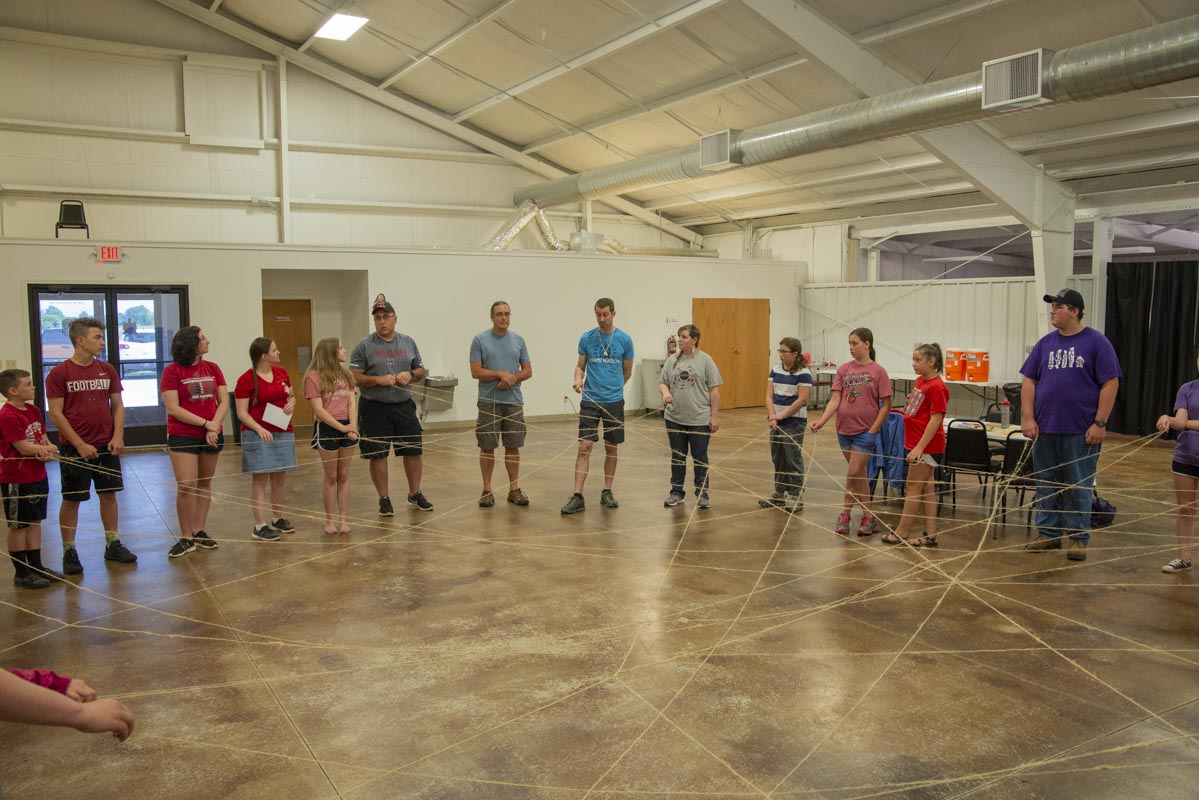
This leads to these knowledge systems being pitted against one another due to their differences and interpreted by some as opposing. Collectively, these knowledge systems can appear hierarchically arranged with those having broader global influence and resources considered “better” than others. This leads to the devaluation of others. The NAATeam intends to use a pluralistic approach, situating multiple knowledge systems around our own Myaamia ways of knowing to utilize that which is useful to us, as our ancestors have always done.
This collective recognition acknowledges the best of any knowledge source and does not reject other forms of knowledge due to their differences. Rather, we hope to position Myaamia practices and knowledge as central to our identity so that our collective engagement around our knowledge system strengthens the entire community by utilizing the best available to us.
Connecting Myaamia nipwaayoni ‘knowledge’ through time: past, present, and future
When revitalizing a construct, such as myaamia nahi meehtohseeniwinki ‘living well’, we must ask ourselves about its origin and who is being served. Any construct we develop must draw on available knowledge, respond to the needs of the present, and be constructed with an understanding that everything adapts and changes with time.
In order to call something Myaamia, the identifiable forms of knowing and understanding must draw on the time-tested experience of previous generations. Learning from our past is always a challenge because we do not live in the past and what makes sense then may not be applicable today.
Aside from the interpretive details of our past, there are identifiable threads of continuity exhibited by our ancestors that point to more stable sources of knowing that may be applicable in this generation. Much of what we attempt to revitalize from the past must have some relevance to our lives today if there is going to be value among a younger generation.
This is all challenged by the fact that our ancestors did not live in a time of information overload, with the levels of misinformation that come with it, as we do today. Helping our youth connect to Myaamia ways of knowing and being early in life is essential in establishing the foundation for future learning and practice.
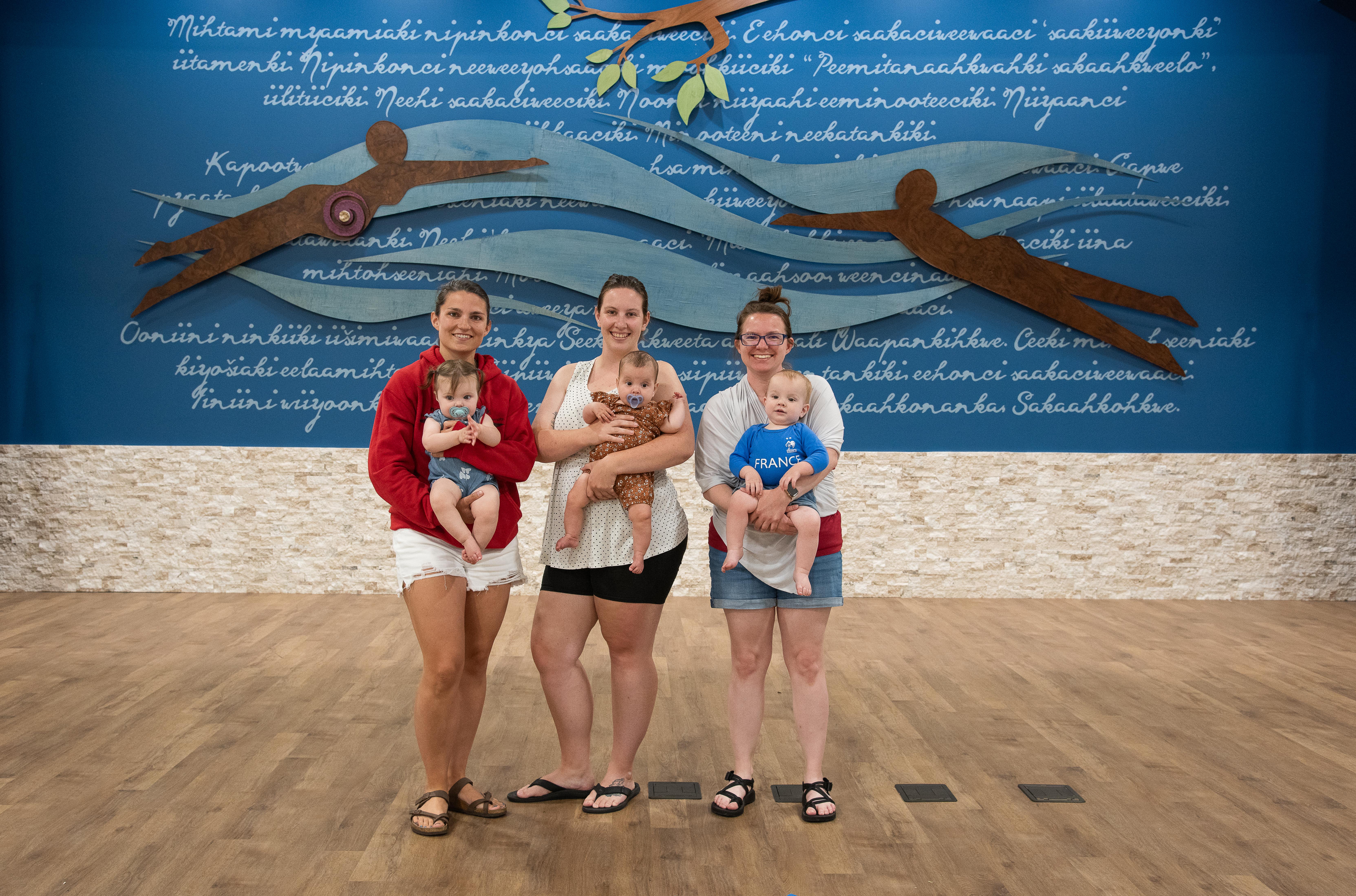
We all know that cultures change over time. We know that our community will continue adapting while our social and ecological environments continue evolving. Therefore, it’s our responsibility to create a system that is strong and relevant today, but also flexible enough to hold over for those inevitable shifts that our children, grandchildren, and future generations will face in their lifetimes.
Conclusion
The Myaamiaki Eemamwicki – our revitalization efforts – have had profound impacts on our community and an upcoming generation. It has evolved to a point where we can begin looking at the positive impacts this work will have on future generations if we continue to invest in it. I find great beauty and encouragement in my role as a member of the NAATeam. I have the unique opportunity to work very closely with upcoming generations as they form their own identities in very similar ways as I did when I was just a child in our youth programs. I love the way this effort has matured to a point where we are again strengthening the bonds across the generations and to our homelands. To think about this practically, I love when I’m walking in our historic homelands – back at my parent’s home in northern Indiana or on campus at Miami University – and I think about both the ancestors who once walked those same lands and all the knowledge and lessons they were able to take from the land. Simultaneously, I think about future generations who will someday walk on those lands. I think about the knowledge that comes from those lands, allowing us to take care of ourselves and our families, and to pass on what future generations can/should know to care for themselves.
 Aacimotaatiiyankwi
Leave a comment