Written by: Logan York, Tribal Historic Preservation Officer
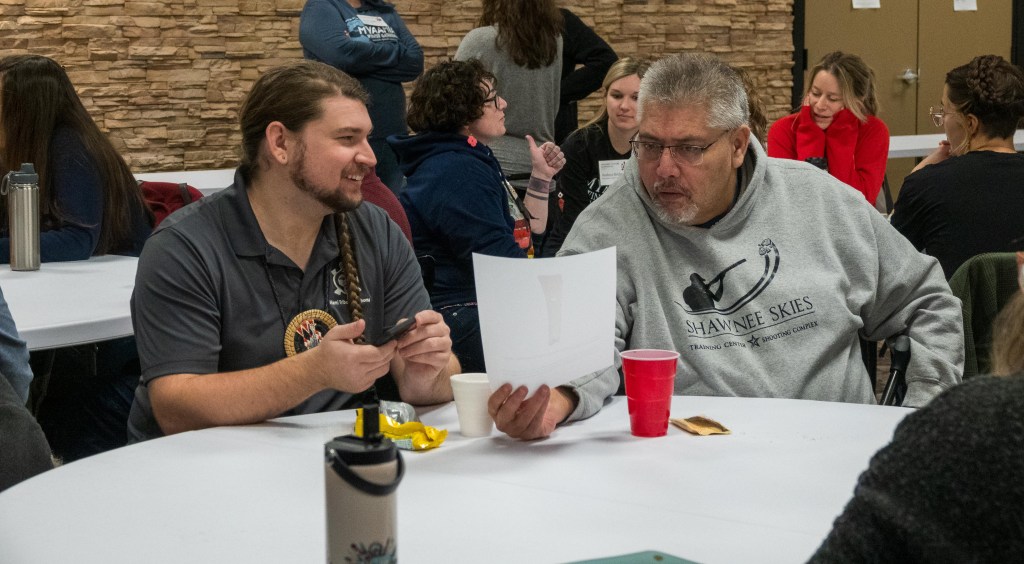
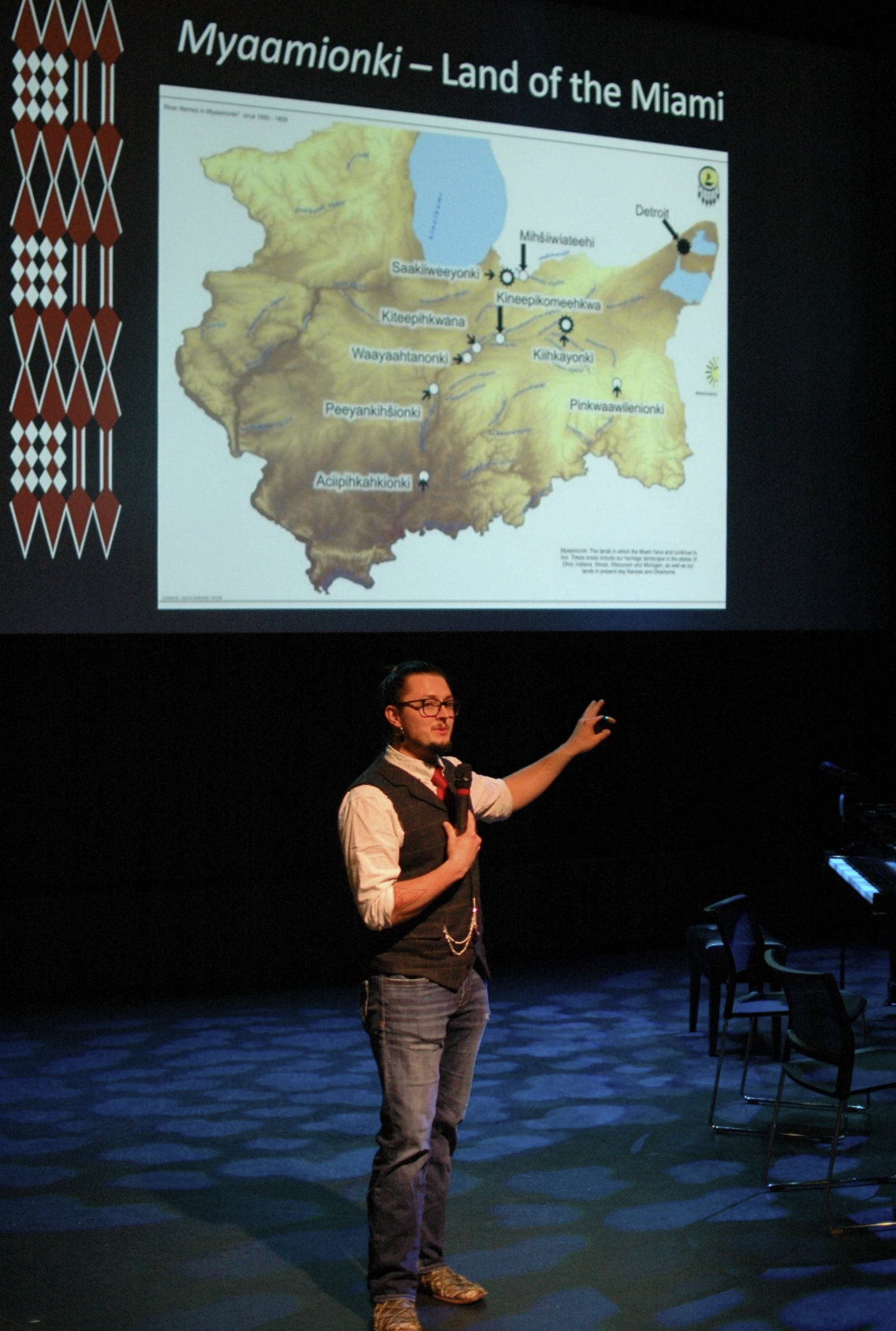
Aya ceeki, Mihšihkinaahkwa (Logan York) weenswiaani. I serve as the Tribal Historic Preservation Officer (THPO) for the Miami Tribe of Oklahoma, and am based in Dayton, Ohio. I am supported in this work by our Deputy THPO, Ahsapa (Jared Nally), and Carrie Harter, our THPO Database Specialist. Our work encompasses the responsibilities outlined in the National Historic Preservation Act and includes reviewing and responding to Section 106 projects, delivering presentations on Myaamia history, consulting on educational signage, exhibits, and curriculum, conducting traditional craft demonstrations, and engaging in various other cultural activities.
Section 106 of the National Historic Preservation Act of 1966 (NHPA) requires federal agencies to consider the effects on historic properties of projects they carry out, assist, fund, permit, license, or approve throughout the country. If a federal or federally-assisted project has the potential to affect historic properties, a Section 106 review will take place, which includes consultation with Tribes with interest in an area. The THPO’s work with Section 106 of the National Historic Preservation Act often involves individual project consultations and written agreements with federal agency. This year, we consulted on over 4,000 Section 106 projects with multiple federal agencies in Indiana, Ohio, Illinois, Iowa, Wisconsin, Michigan, Missouri, Kansas, Kentucky, and Oklahoma. Section 106 projects typically involve ground disturbance on federal land or involve federal money.
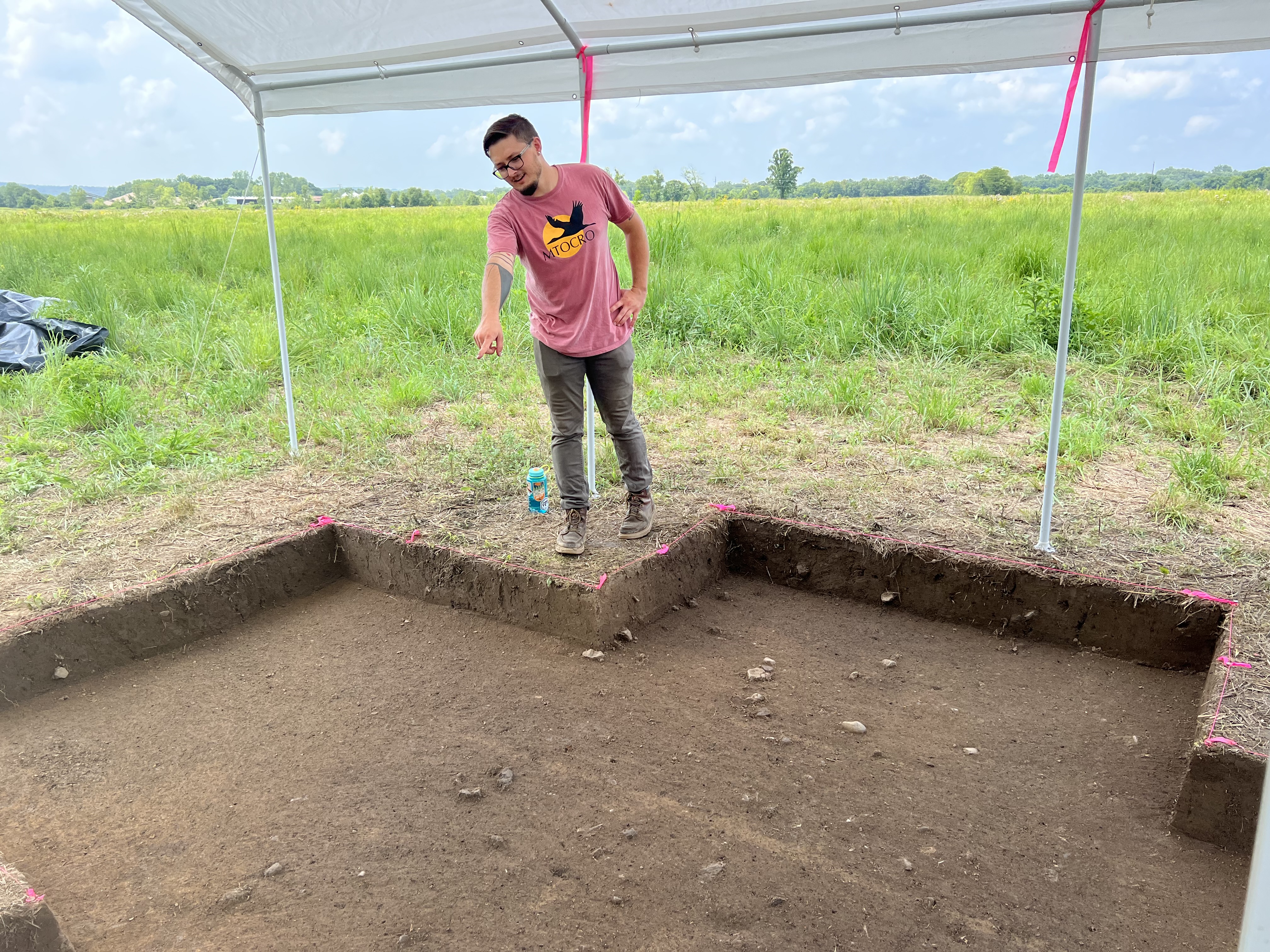
We review these projects to ensure that we do not have any known archaeological or sacred sites in the area that require protection from potential destruction by the project. Generally speaking, out of the thousands of projects a year that we get, 99% of them are not a problem. For the 1% that are, we consult with the federal agency in charge regarding any sites of concern. Because this is a nation-to-nation relationship between the Miami Tribe and the United States, we require the federal agency to be present at consultations. Often, these consultations involve trying to mitigate the harm, potential harm, or impact to any known or potential sites we are concerned about. Almost always, these consultations go amicably, and we can come to a mutually agreeable decision that both gets the project done as quickly and efficiently as possible and protects our sites. These consultations can sometimes require quite a bit of travel, however, many recent consultations have been moved online.
In my capacity as the Miami THPO, I am honored to represent our Nation as I serve on the Board of Trustees for The Ohio Advisory Council for Historic Preservation, Heritage Ohio, and Caesar’s Ford Theatre. I am also on the leadership team for the following groups: The Cincinnati Museum Center regarding their new indigenous peoples exhibit, the annual “Feast of the Hunters Moon” gathering in West Lafayette, IN, the French Heritage Corridor, The Hopewell Lifeways project, the Indiana Dunes Cultural Trail, the Noble-Wieting Archaeological project, The Orendorf Archaeological Project, and the Angel Mounds Archaeological Advisory Council. Jared Nally serves on the Hopewell Lifeways project Leadership Team and the Great Circle Alliance Advisory Council. Our participation in these boards and committees helps ensure the inclusion of the Miami Nation, promotes our voice within our homelands, and gives us the advantage of ensuring that any Myaamia history and cultural content is accurate and appropriate. Through this work, the THPO office has helped better educate tens of thousands of people in just the last year.

The position of THPO and my personal geographic location also allow me to assist the Natural Resources Office in managing the Millsior Property near Marion, Ohio. The Tribe was gifted the Millsior property in 2013 by a Mr. Millisior. The property is the Tribe’s most pristine marshy wetland that it owns. In the past two years, we have started a working relationship with The Nature Conservancy in Ohio and Indiana, the largest environmental nonprofit organization in the Americas. Through our work with them and continued maintenance of the property, I hope to one day be able to host cultural events and allow tribal members to have a connection with this beautiful space.
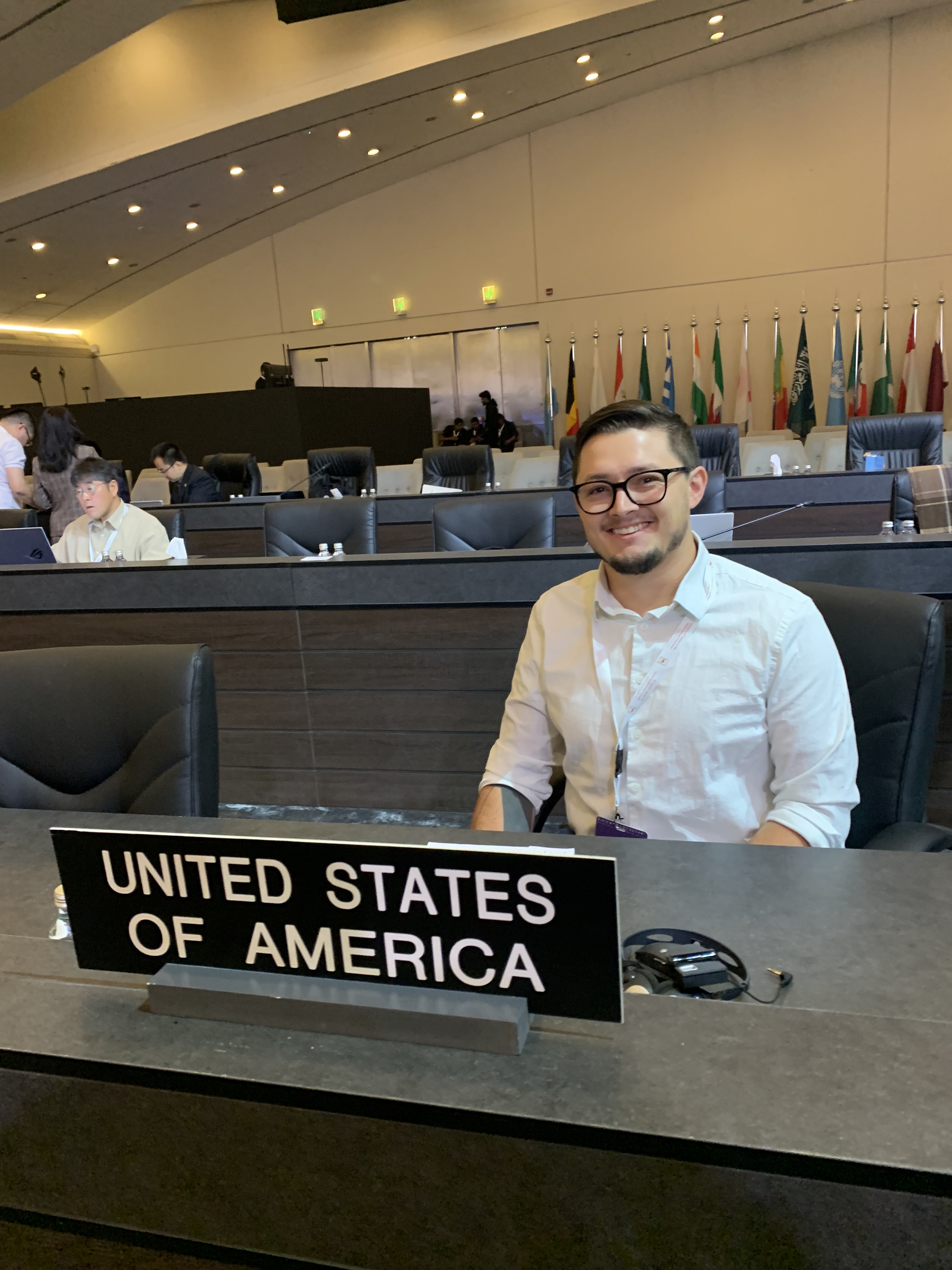
Additionally, the THPO position has also granted opportunities to work at the World Heritage Conference in Riyadh, Saudi Arabia, and begin the filming for a documentary on the Ohio Earthwork World Heritage sites through PBS. The THPO is also involved in the Painted Hides work with the Musée du Quai Branly, and Jared Nally has traveled to research historical and cultural objects in the collections of the Logan Museum at Beloit University, the Luzerne Historical Society, and the National Museum of the American Indian. Some of our THPO work in Indiana included presentations to The Nature Conservancy, WOSU public media, LC Nature Park, Prophetstown State Park, Tippecanoe County Historical Association, Connor Prairie, the University of Indiana, Fort Wayne Historic Preservation Commission, the Eiteljorg Museum, Indiana NRCS, the CREO office, the Myaamia Center, the Ohio DoT, the Ohio DNR, and the Bingham Fellows Symposium, among many other groups and presentations.
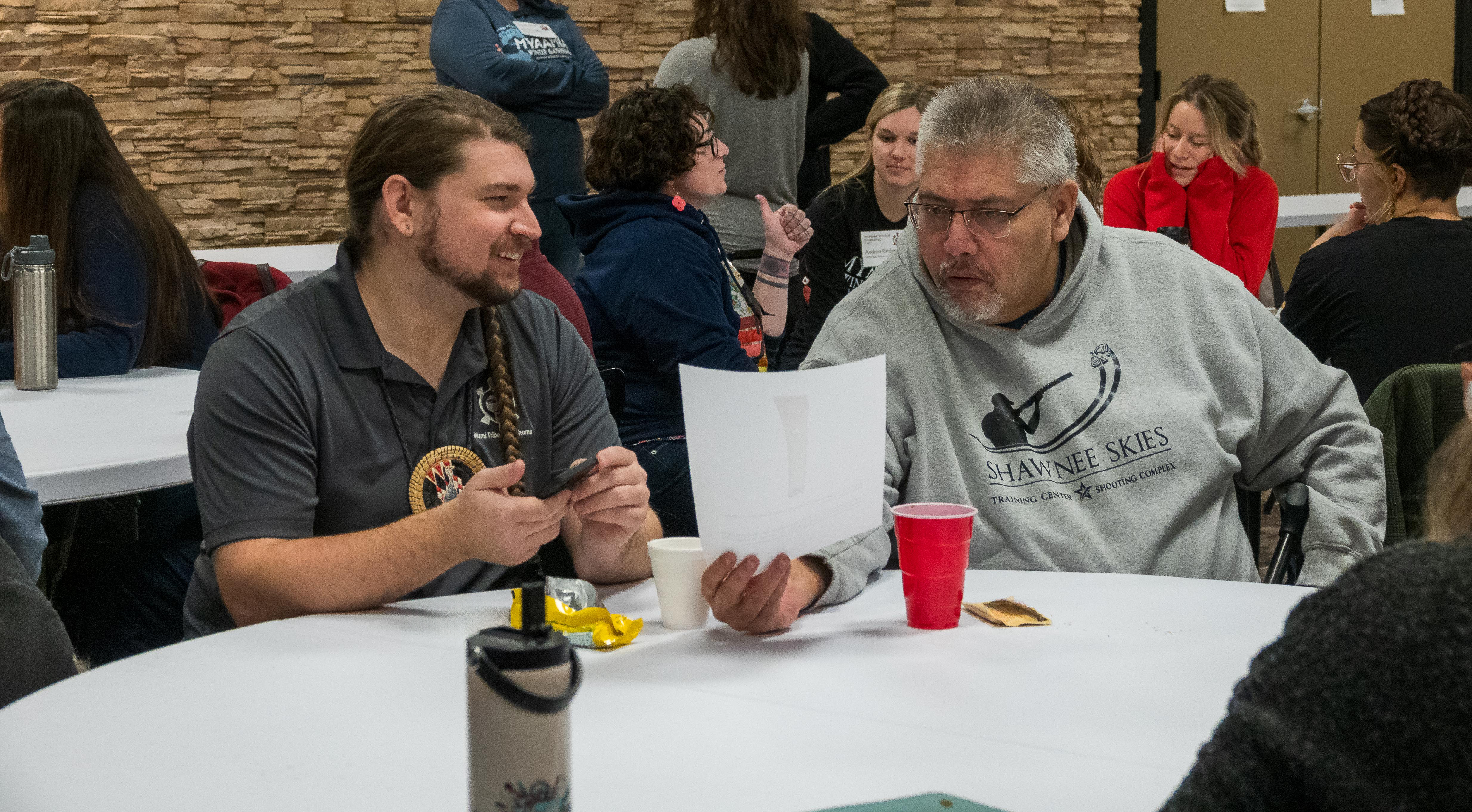
While our office has been able to be involved in these amazing projects, our main goal is to preserve Myaamia culture and history for our present and future. Whether that is through consulting with governments to protect archeological sites, giving presentations to the general public or in schools, or sharing cultural knowledge through workshops and traditional craft, the THPO office does these things with Myaamiaki ‘Myaamia people,’ Myaamionki ‘Myaamia places,’ and our future in mind.
 Aacimotaatiiyankwi
Leave a comment