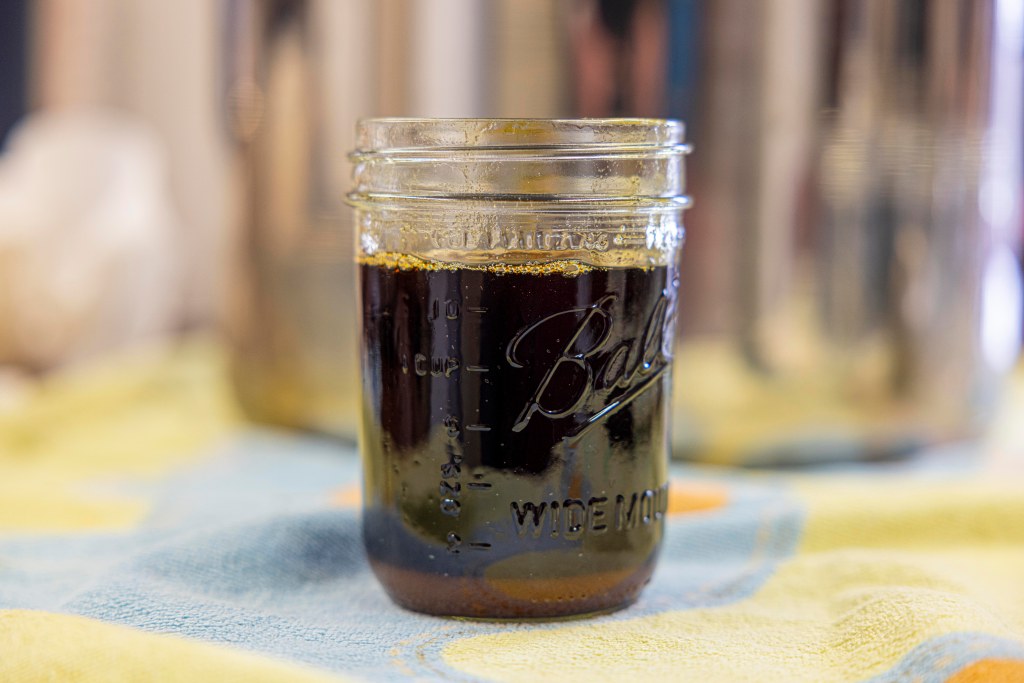
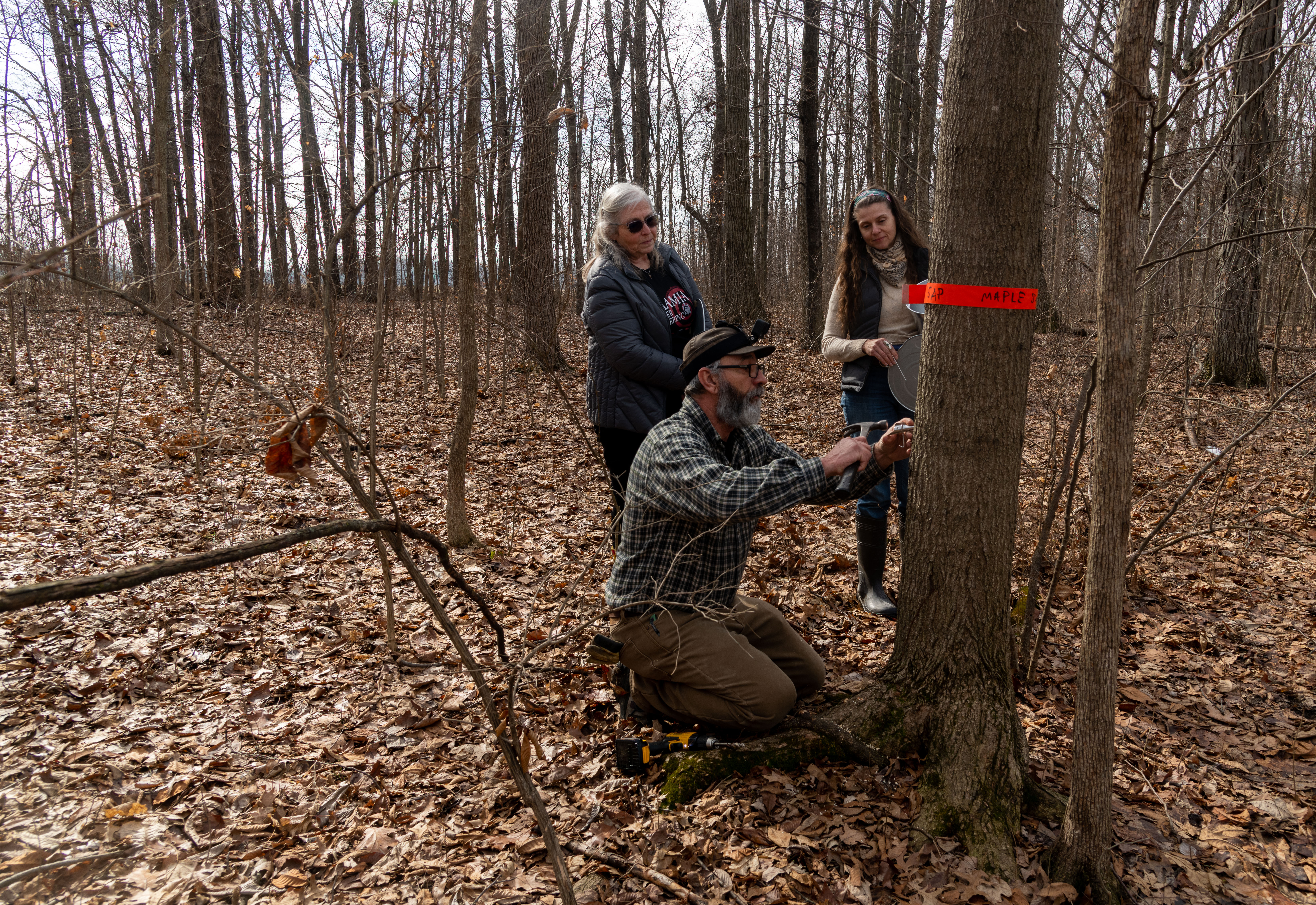
As we gear up for all of the hard work that goes into the making of iihkisaminki ‘maple syrup’ and siihsipaahkwi ‘maple sugar’ this time of year, I want to share a little about the other side of the equation – the eating part. I have memories of little Myaamia kids at a community gathering, running around and eating maple sugar, a sign that this flavor is a cultural favorite. We know that Myaamiaki ‘Myaamia people’ have been eating maple syrup and sugar since time immemorial, and I want to make it just as relevant in our lives today. So let’s dig into how maple syrup and sugar help us on our journey of nahi meehtohseeniwinki ‘living well’.
Nutritional/Health Benefits of Maple Sugar/Syrup
Did you know that there are actually some health benefits to swapping out refined sugars for maple syrup or sugar?
One recent research study by Morisette and colleagues (2024) recruited 42 adults whose body weight was classified by a doctor as overweight. The researchers calculated how much added sugar (not natural sugars found in fruits and other foods) the participants consume daily and asked them to replace just 5% of it with maple syrup over an 8-week period. They didn’t change anything else about their diets during this period. They then looked at how this impacted various health indicators – things like blood pressure, fat mass, and gut microbiome.
They found a few really cool things that support the notion that maple syrup has some health benefits.
First, they found that after the 8 weeks, participants had a decreased “glucose area under the curve,” which really just means their bodies were better at managing the sugar load that comes from a meal or snack. In simple terms, the study found that substituting a small amount of added sugar for maple syrup helped the participants’ bodies better manage the effects of sugar in the body.
Second, they found a significant reduction in systolic blood pressure. This is the top number in blood pressure, telling us the force of blood pumping against artery walls, and is associated with heart disease risk and hypertension.
Third, they found a significant decrease in android fat mass. This is the fat tissue found in one’s midsection, chest, and upper arms that is associated with health risks like heart disease and diabetes.
Fourth, they found some gut microbiome indicators associated with a reduction in inflammation in the body.
In addition to these overall health benefits, there are other nutrients found in maple syrup that likely help to explain and contribute to the benefits of substituting some added sugar for maple syrup. In addition to naturally occurring sugar, maple syrup contains several minerals, amino acids (protein), and vitamins, which give it a more rounded nutritional value than added sugar alone. In moderation, these extra nutrients can make maple syrup an excellent way to add some sweetness and flavoring to our foods in place of added sugar! Personally, I like to think our ancestors knew about these benefits.
While I am all for using maple syrup where we would otherwise add sugar, such as in our coffee or tea, I think it is important to note that even though it has been shown to have more positive impacts on the systems of our bodies than added sugar alone, similar to added sugar, maple sugar can contribute to negative health outcomes when eaten in excess (like diabetes or obesity). Our ancestors consumed maple sugar in relatively high quantities only briefly in the late winter and then used sugar as a treat or flavor additive in small amounts the rest of the year.
How to Replace with Maple Syrup/Sugar
It is actually fairly easy to swap maple syrup/sugar for other refined sugars when cooking or baking.
I personally love using maple syrup as a sweetener in coffee, oatmeal, and plain Greek yogurt – for things like this, you can just add to your preferred taste. It is also great to use in cookies, glazes for meat and vegetables, in sauces, and even to sweeten other drinks. Then there is always the option of pouring it straight onto waffles and pancakes.
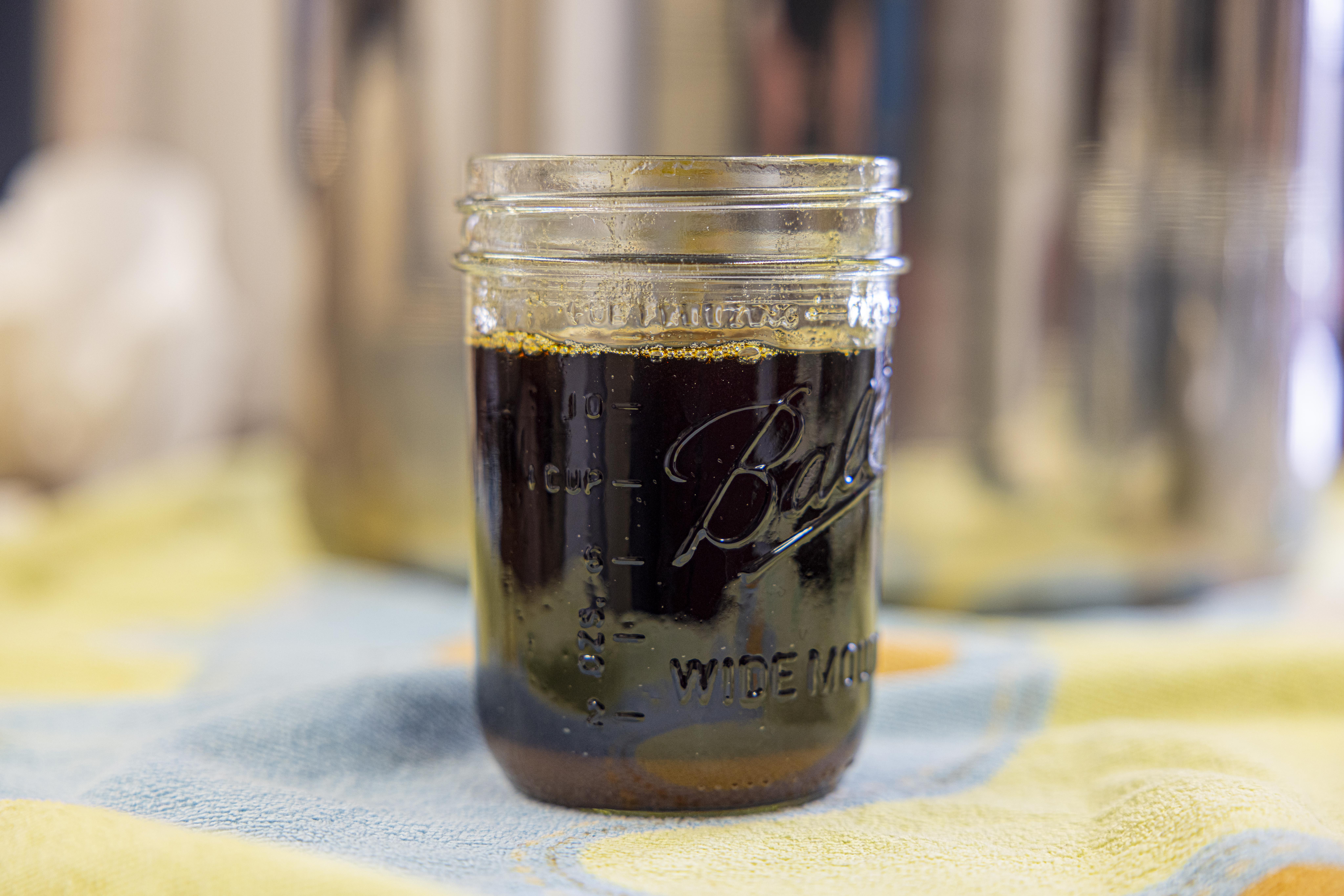
Maple sugar is easy. It is a direct one-to-one swap for granulated sugar in cooking or baking. For example, instead of adding one tablespoon of granulated sugar, add one tablespoon of maple sugar.
Maple syrup can be a bit trickier. According to the Vermont Maple Sugar Makers’ Association (n.d.), for every cup of white sugar, use ¾ cup of maple syrup (1 to ¾ ratio). Additionally, because maple syrup is waterier, you’ll want to reduce other cooking liquids by 2-4 tablespoons and consider lowering the oven temperature (by about 25℉) to avoid the over-caramelization of maple syrup that happens when temperatures are too high.
Ideas for Using Maple Syrup/Sugar
There are so many ways to use maple syrup and sugar in place of refined sugars, so we wanted to provide a recipe (see below) along with some easy examples. The maple flavor adds a unique taste that elevates most dishes (in my opinion) and helps me to feel connected to practices Myaamiaki have always engaged in.
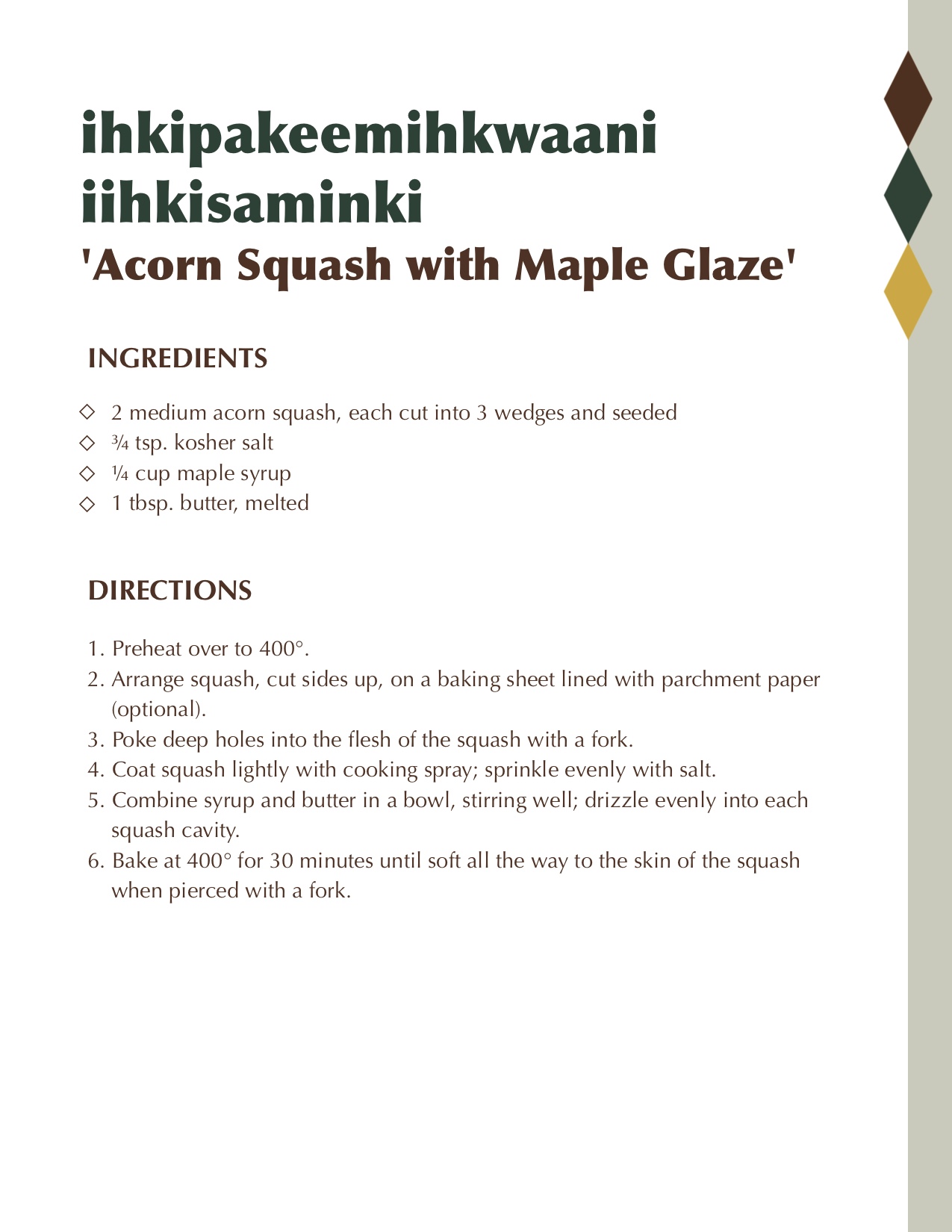
This recipe is a great, healthy way to work in some colorful vegetables! It will be included in a new resource we are creating at the Myaamia Center, which is meant to connect tribal citizens with recipes that use traditional Myaamia ingredients (like maple syrup). This resource will be hosted on Šaapohkaayoni: A Myaamia Portal and will be launched at the 2026 Myaamiaki Conference on April 18th. Stay tuned for future blog posts about this resource!
References
Morissette, A., Agrinier, A. L., Gignac, T., Ramadan, L., Diop, K., Marois, J., … & Marette, A. (2024). Substituting Refined Sugars With Maple Syrup Decreases Key Cardiometabolic Risk Factors in Individuals With Mild Metabolic Alterations: A Randomized, Double-Blind, Controlled Crossover Trial. The Journal of Nutrition, 154(10), 2963-2975.
Vermont Maple Sugar Makers’ Association. (n.d.). Cooking with Maple. Vermont Maple Sugar Makers’ Association. https://vermontmaple.org/cook/cooking-with-maple

 Aacimotaatiiyankwi
Leave a comment