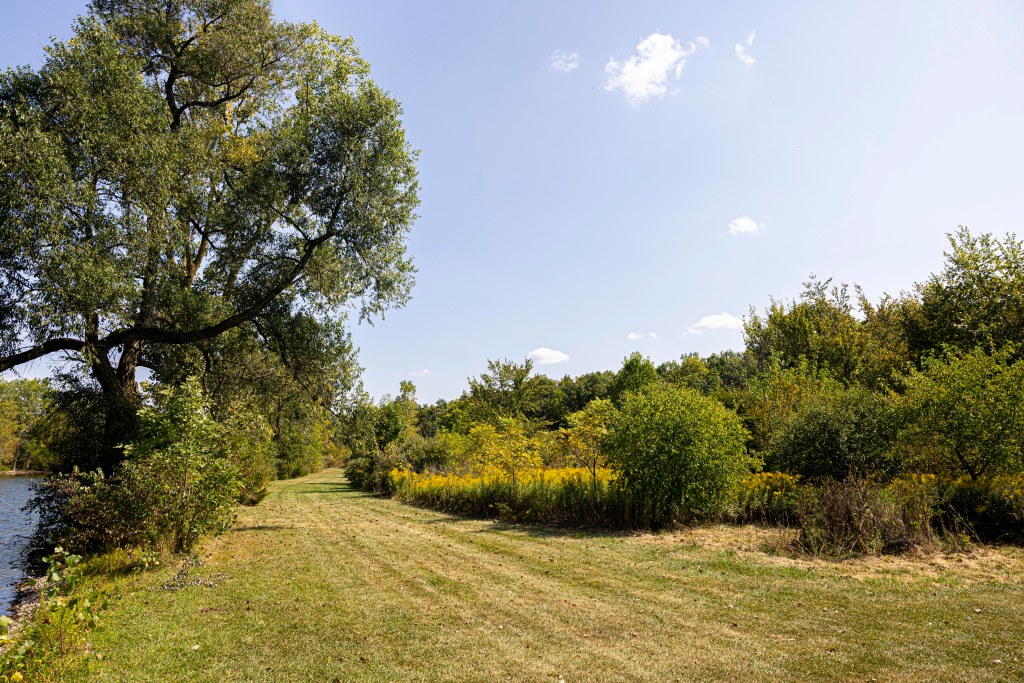
This past June the Miami Tribe of Oklahoma announced that the property housing the Cultural Resources Extension Office in Kiihkayonki ‘Fort Wayne, IN’ was designated as trust land. This land, known as Peehkahkionki, covers 45 acres on the northwest side of the city. Construction is currently underway on a building to house offices and community events. While all of this is significant for our community, the real draw (and the reason behind the name) is the gorgeous outdoor spaces.
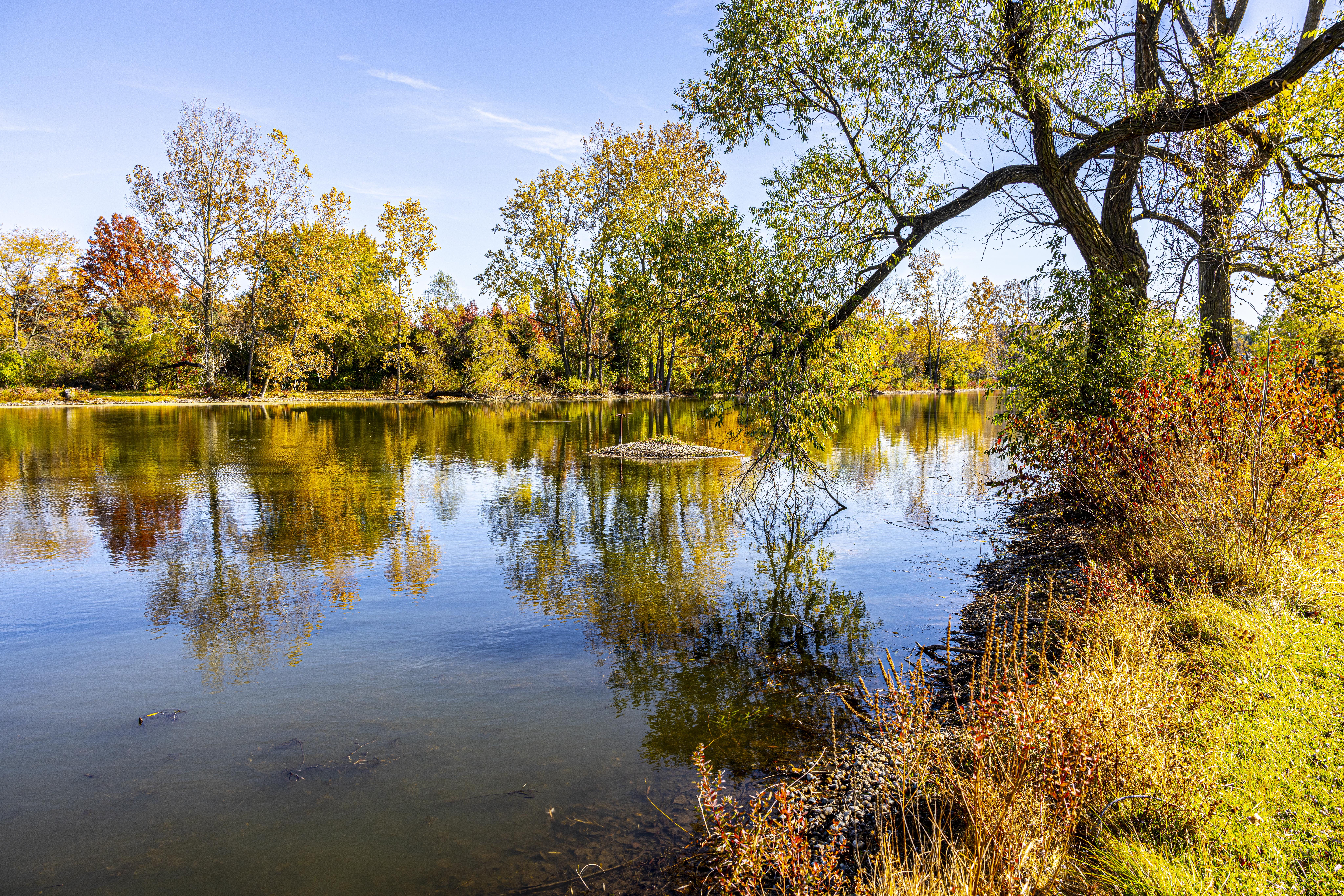
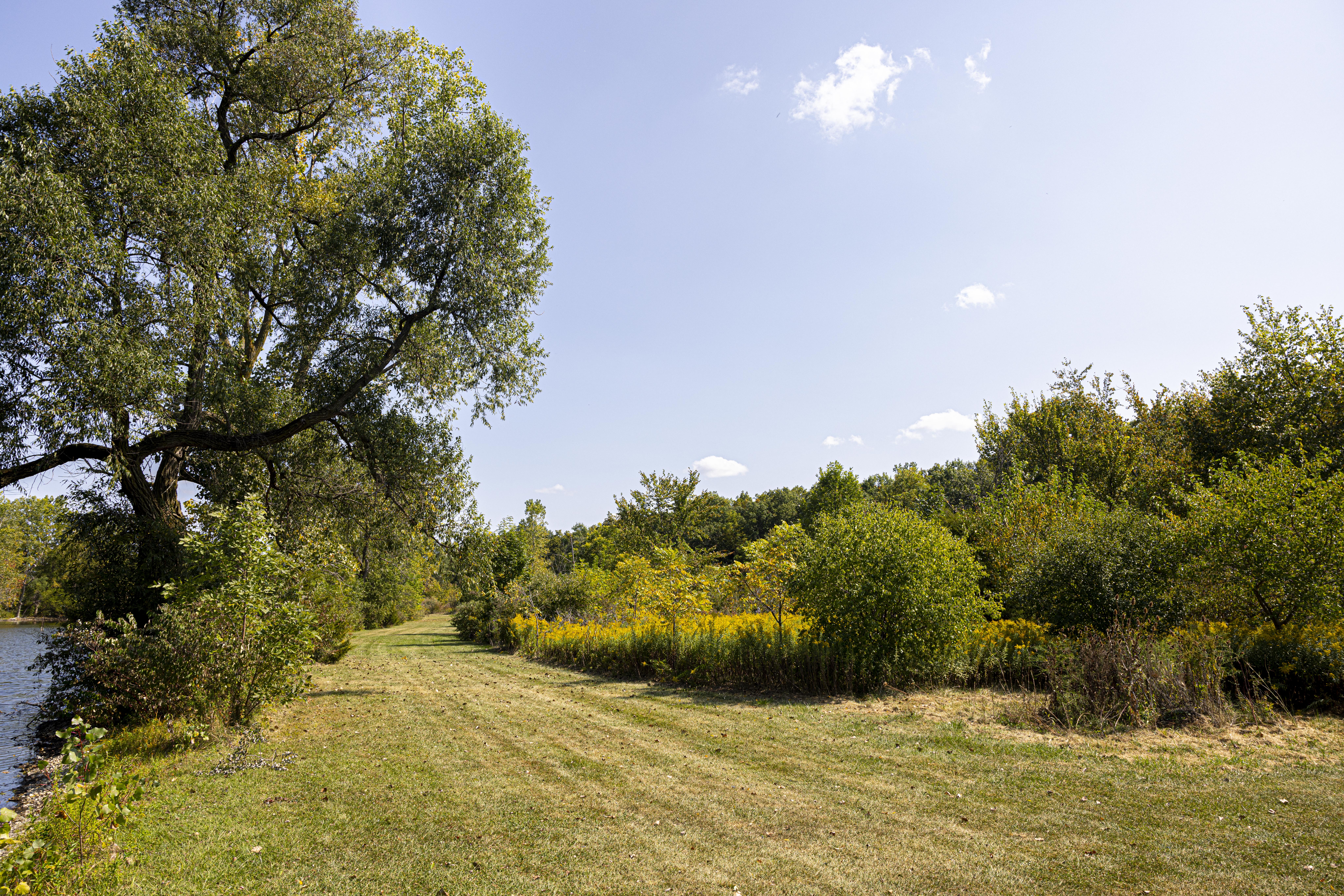
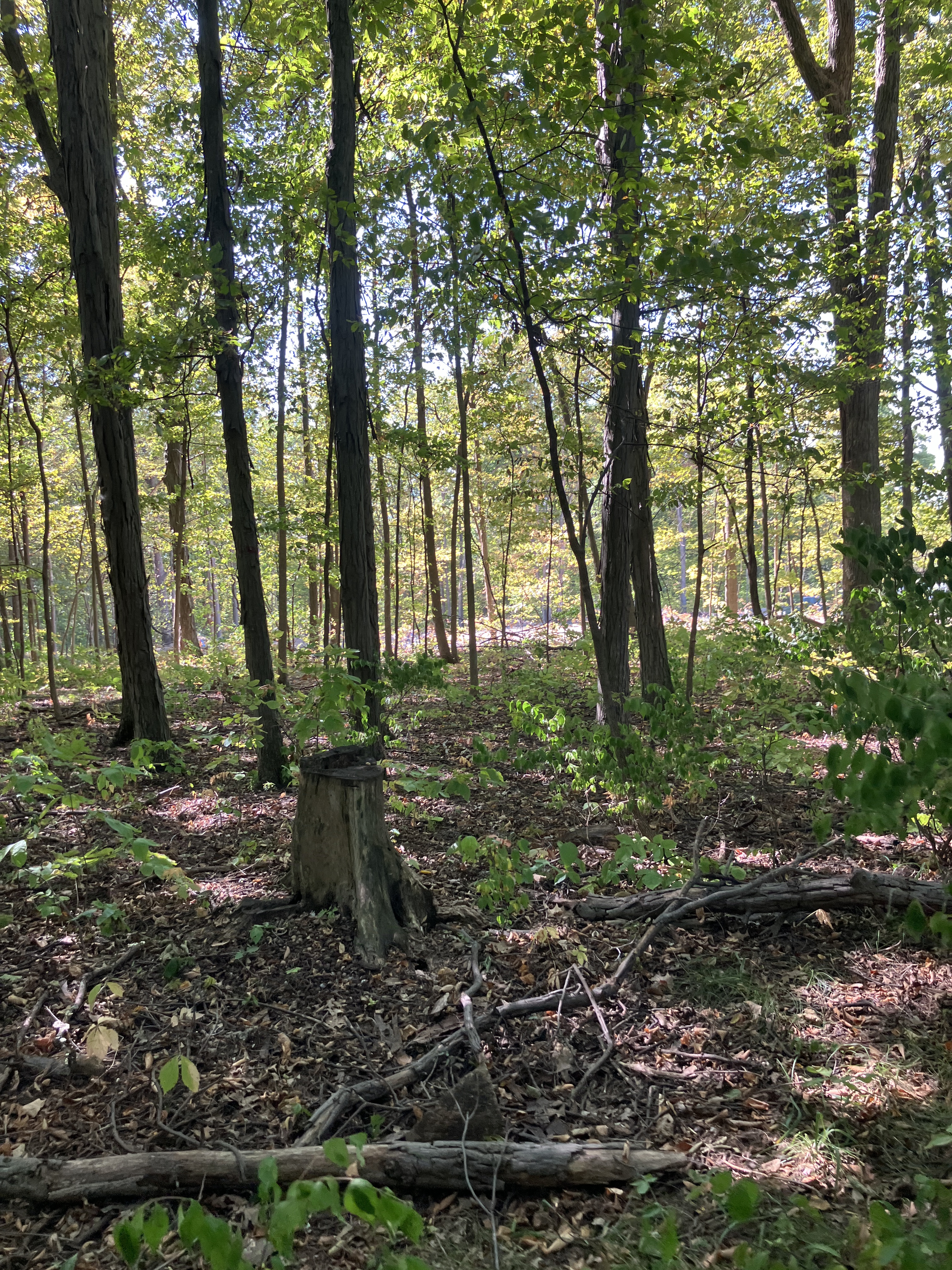
When you first enter the property, the long driveway is lined by trees and a disc golf course. When you turn the corner, the lacrosse field, house, and site of the new building come into view. Peehkakionki is home to a mix of native and invasive plants that came with the property. Throughout the year, the staff and community volunteers work to remove the invasive species. So far, they have cleared about 40 feet across the property and will slowly clear more while maintaining the previous sections. The staff also maintains numerous walking paths. Visitors can take a walk through wooded areas, around the 3.5-acre pond (dubbed Lake Hobbes), or through fields of goldenrod. Over time, the goal is to create some themed walking paths where visitors can learn more about the ecology of the property. One example would be a path dedicated to plants used for making cordage.
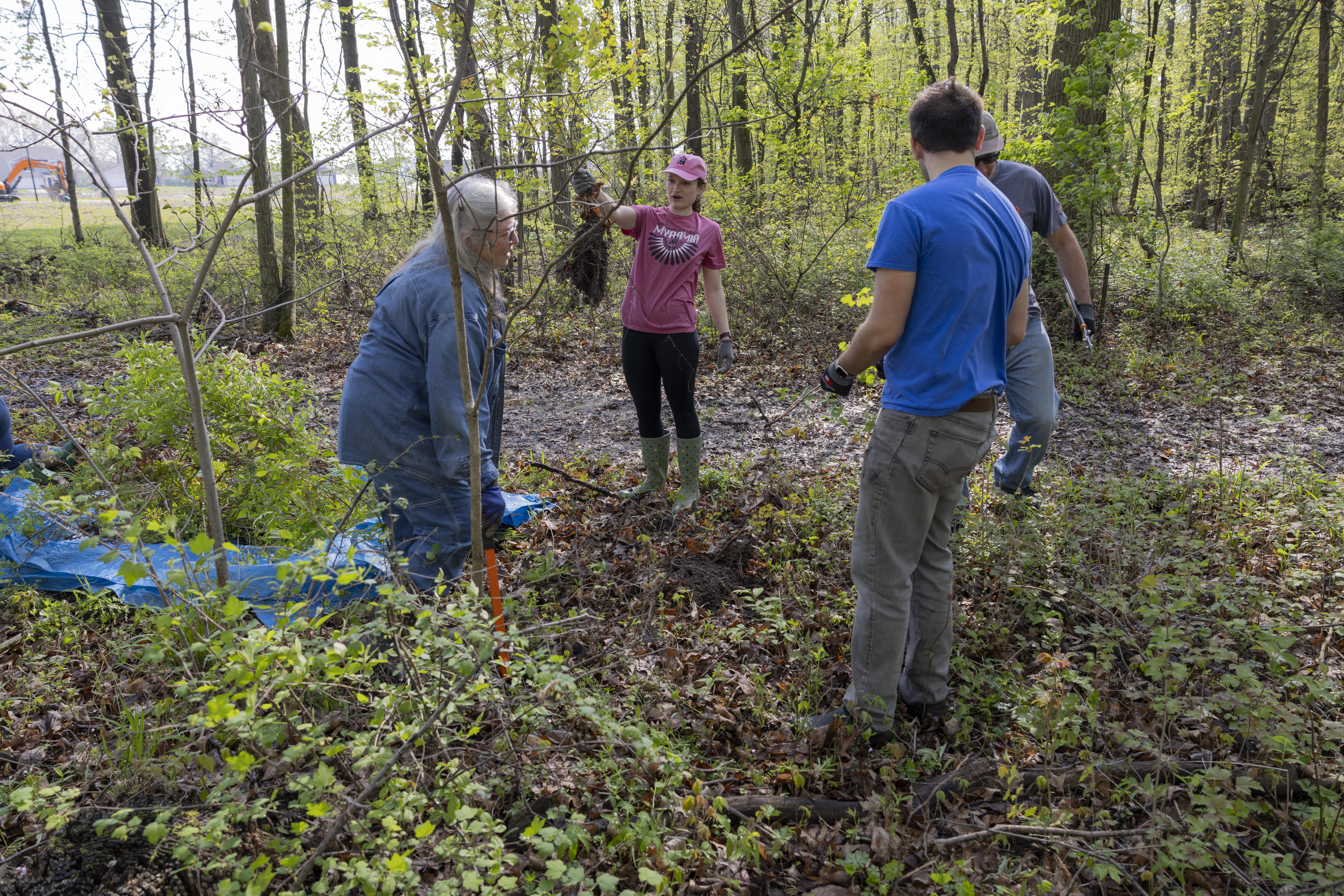
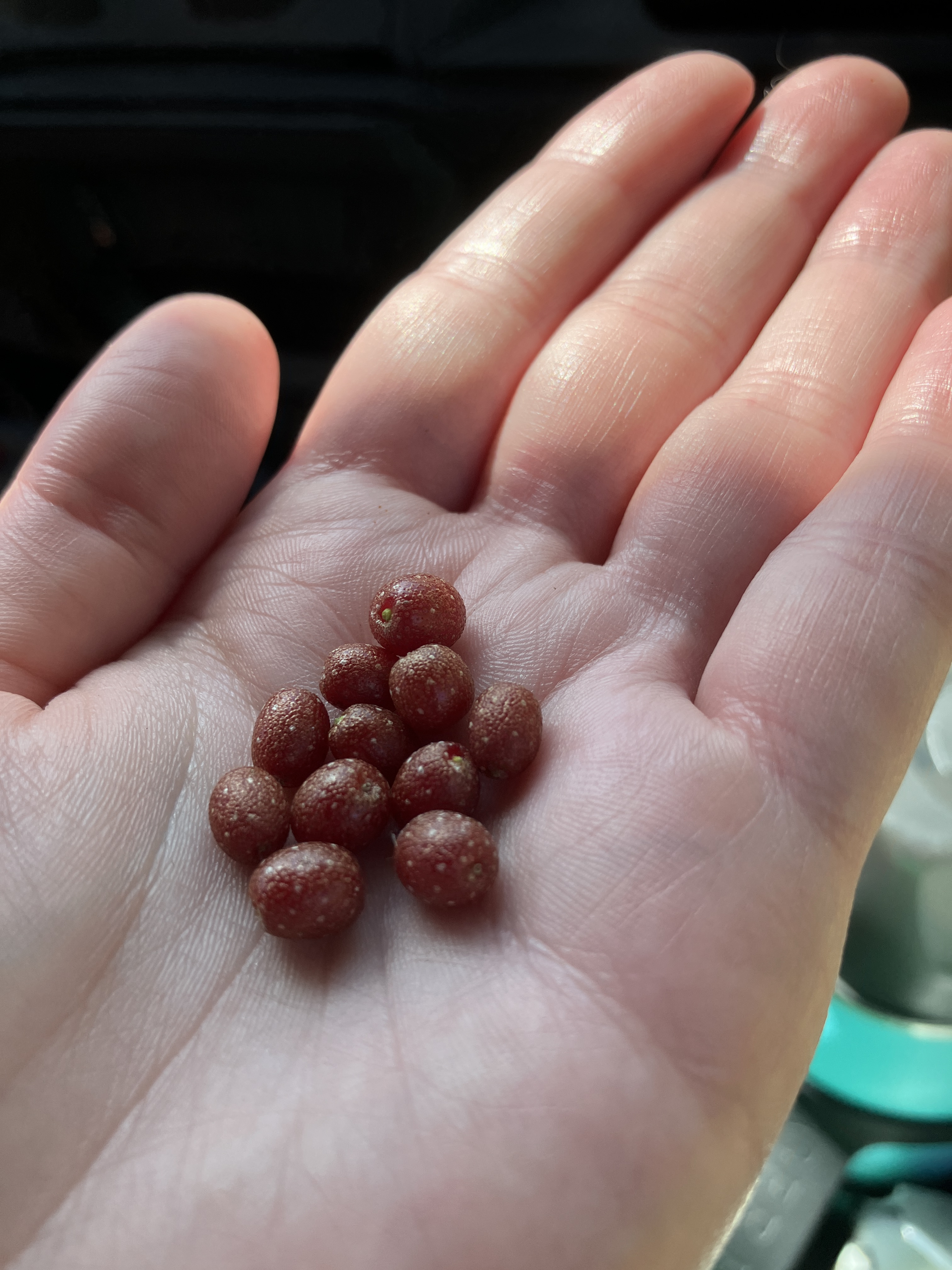
I was fortunate to receive a guided tour of the property from Dani Tippmann, Kiihkayonki ARPA Community Food Program Director. She and the rest of the staff are learning more about the plants on the property and how they can be used. For example, they tapped about 40 maple trees this past winter to make iihkisaminki ‘maple syrup’. She also encouraged me and Madalyn Richardson, ARPA Cultural & Arts Education Content Specialist, to taste some Autumn Olive berries.
Note: Only eat harvested plants if you are or with someone who is able to identify the plants as edible.
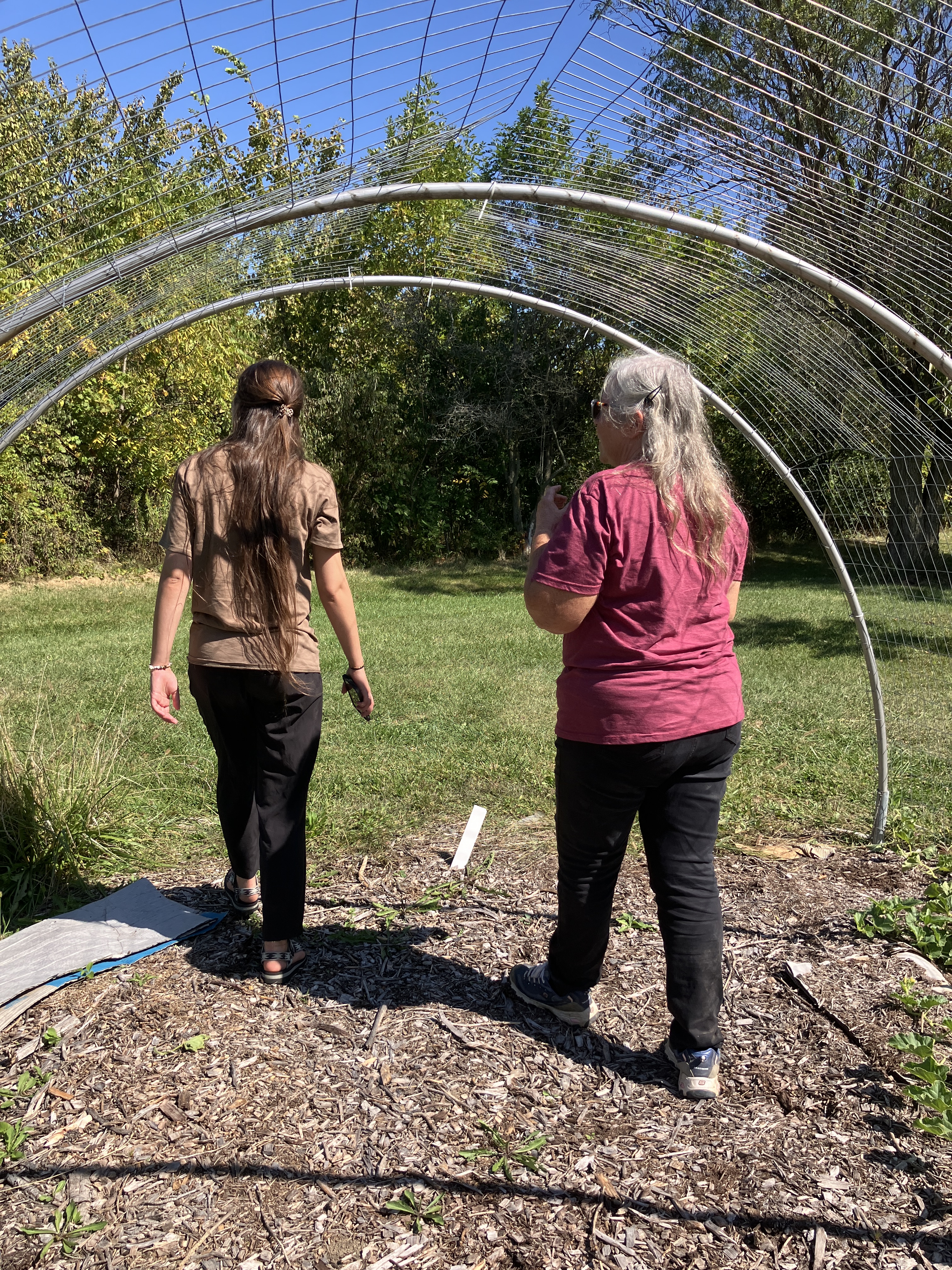
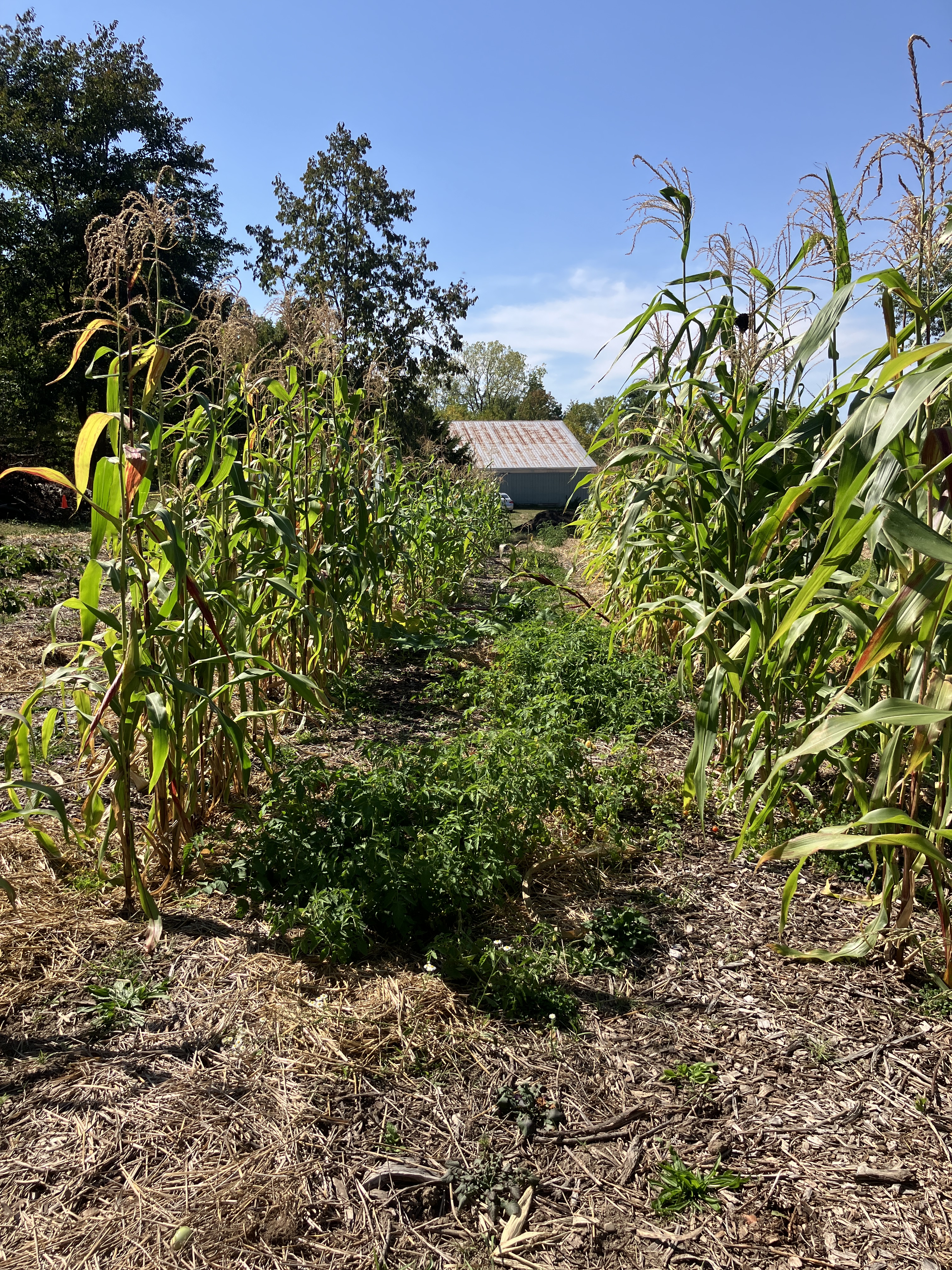
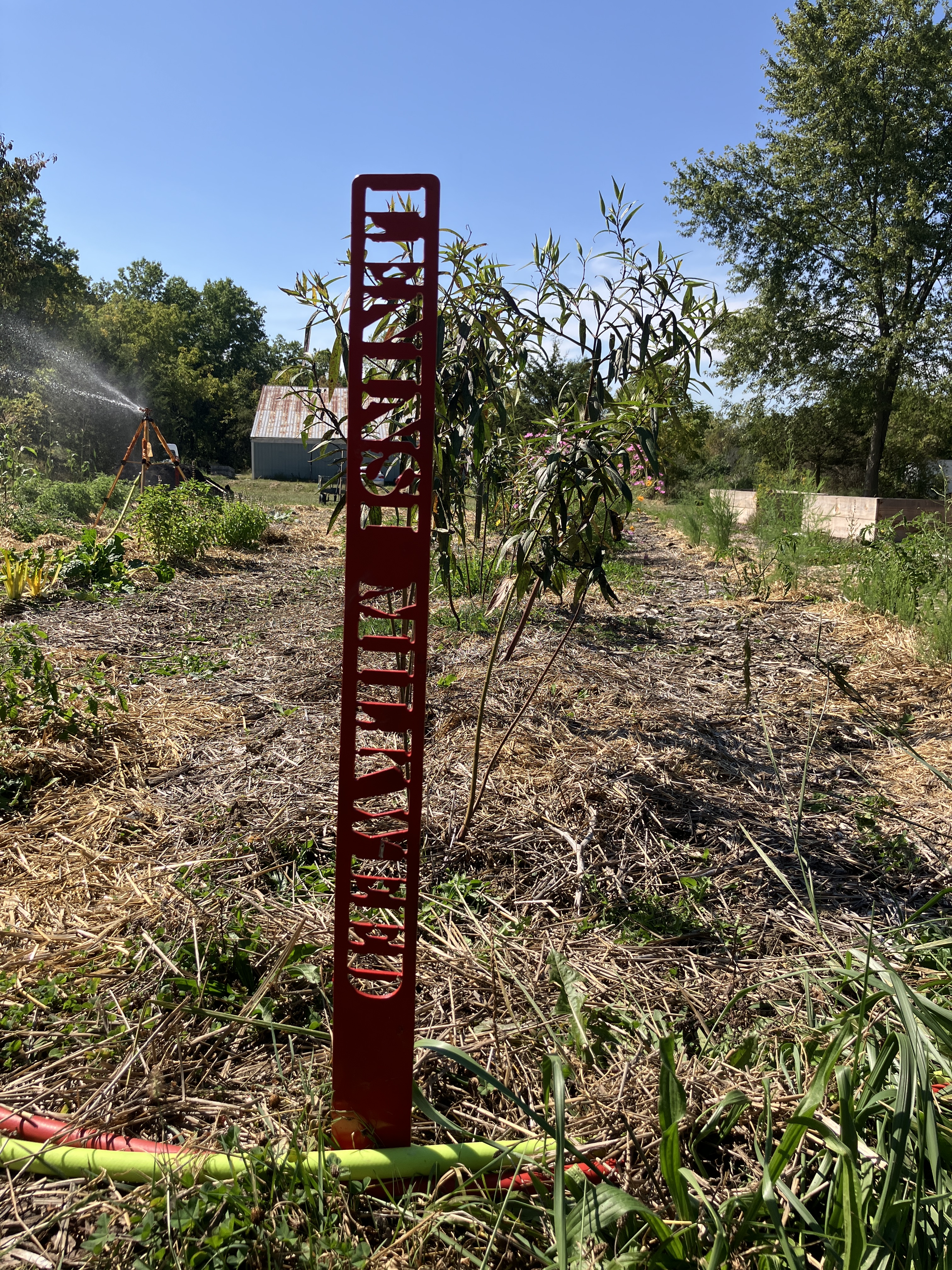
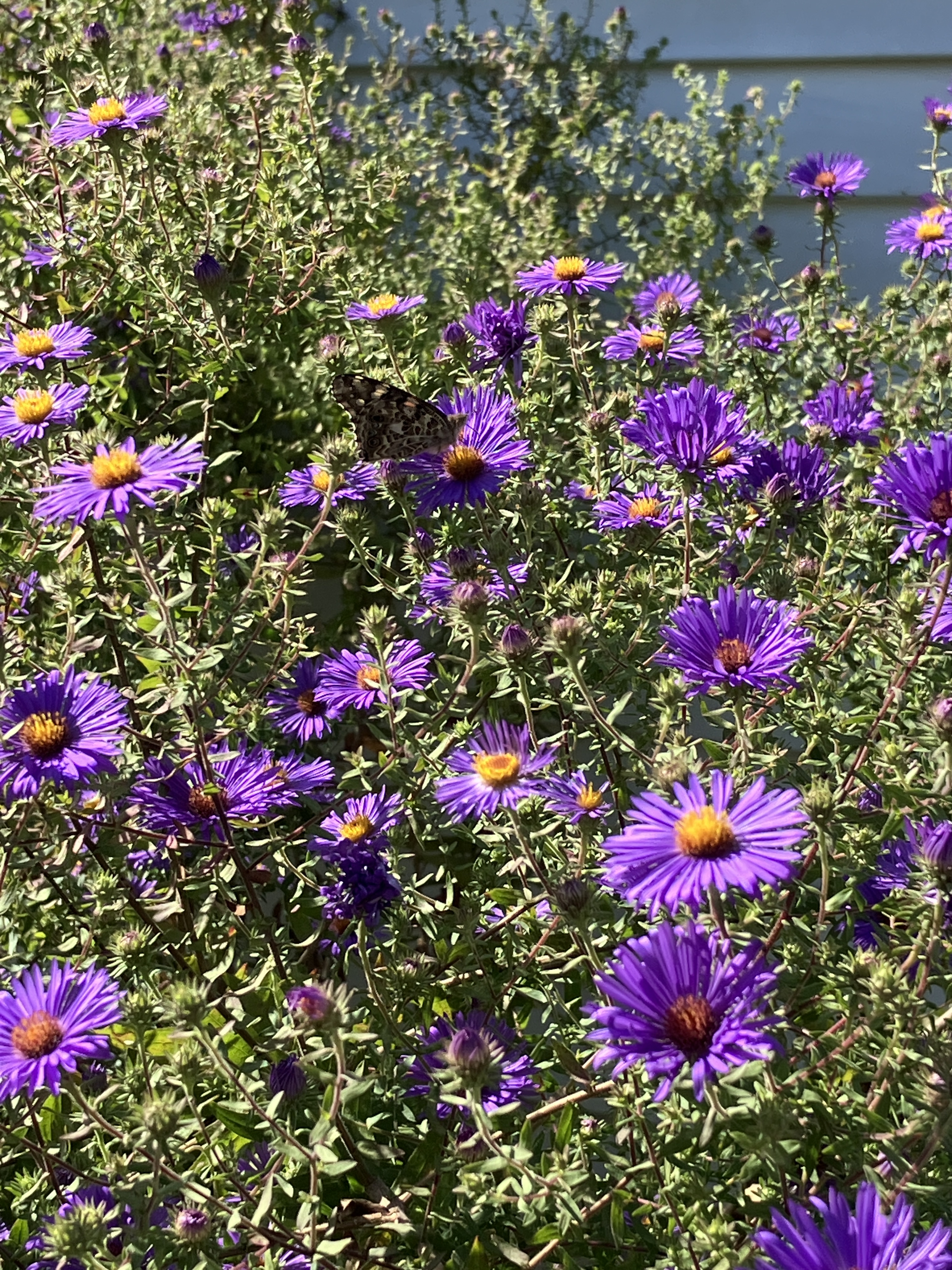
In addition to the existing plant life, Dani is in charge of the Peehkahkionki garden. The hot and dry summer made for a tough year for gardens in general, but it was not bad for the 2-year-old garden on the property. It takes some time to get the right balance of nutrients to support the crops. As Dani told us “The first year they sleep, the second year they creep, and the third year they leap.” She’s confident that next year will be a good year for the garden. This year, the garden has leninši ‘milkweed,’ miincipi ‘corn,’ eggplant, horseradish (which was donated by a community member), muskmelons, onions, and several other crops that I’m forgetting. At their most recent event, community members brought home some of the harvested onions! Near the house, a smaller garden also features herbs, New England Aster, pokeweed, and sweet potatoes. Eventually, the garden will be used to teach the community about gardening and cooking, a program similar to the one at Drake House in Miami, OK.

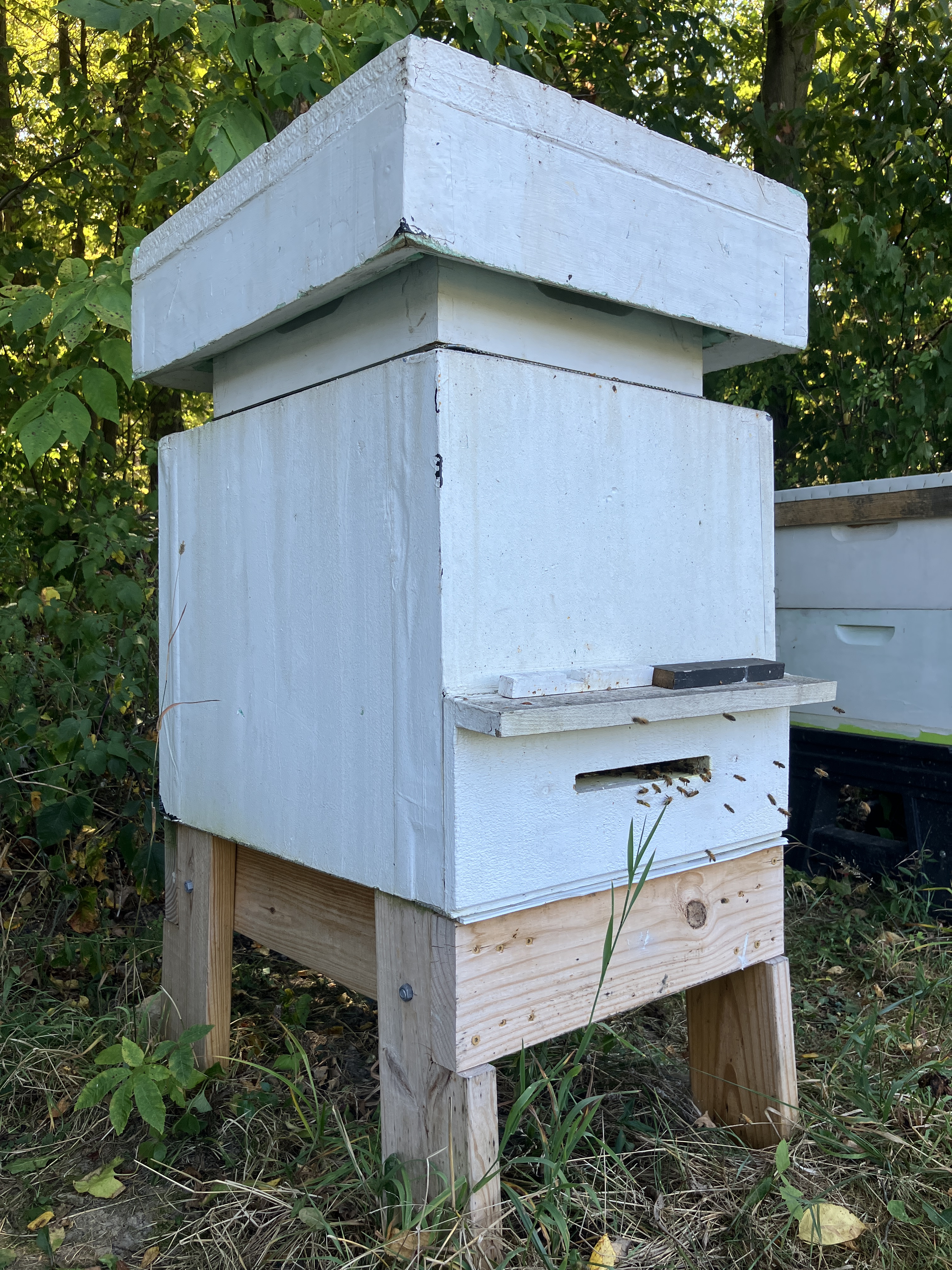
Another way the staff is supporting the local ecology is by learning about beekeeping. Currently, they are hosting a training hive and are working toward having at least one hive of their own that will produce small batches of honey. While there is no shortage of plants to pollinate on the property, the staff have also planted flowers in the garden and around the house.
I look forward to spending more time at Peehkahkionki and learning more about the plants from the staff.
Mihši neewe to Dani and Claudia Hedeen, Cultural Education and Wellness Coordinator, for arranging the tour as they were also preparing for the fall gathering.
 Aacimotaatiiyankwi
Leave a comment