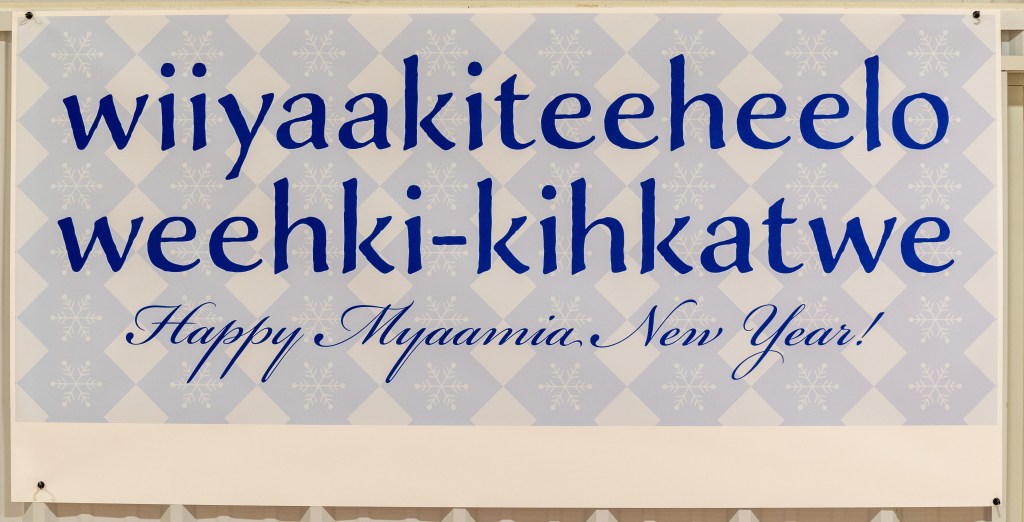
wiiyaakiteeheetaawi weehki-kihkatwi ‘Let’s Celebrate the Lunar New Year!’
As the thin crescent of tipehki kiilhswa sprouts in the night sky, we mark the beginning of Mahkoonsa Kiilhswa ‘Young Black Bear Moon’ and weehki-kihkatwi ‘Lunar New Year!’ This is a time of celebration across Myaamionki as the community gathers to celebrate.
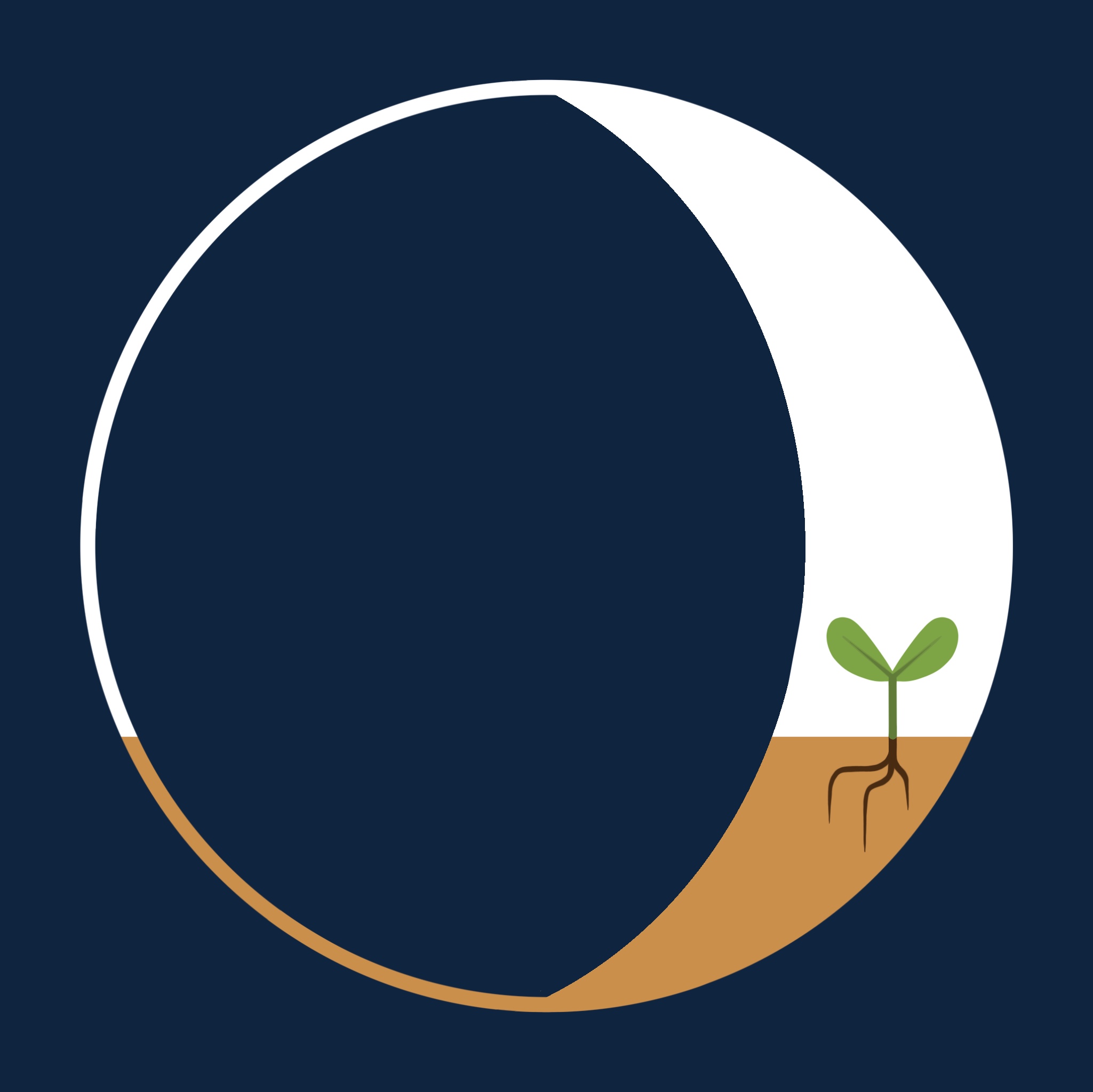
Mahkoonsa Kiilhswa is the second of two lunar months named for the American black bear (Ursus americanus). During this lunar month, days start to get noticeably longer, and the weather begins to warm. This shift leads to many changes in plant and animal activity. It is during this period that Myaamiaki engage in maple sugaring as ahsenaamiša ‘sugar maples’ begin moving sap from their roots to their branches. When back in the woods, people usually notice increased bird activity as migratory birds begin returning to Myaamionki and many species begin mating and nesting activities.
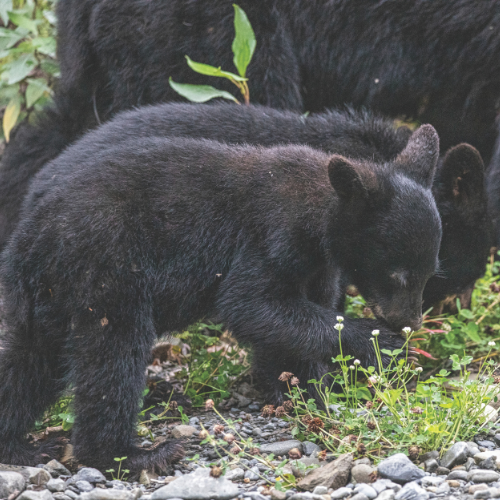
Mahkooki ‘Black bears’ were once highly populated in Myaamionki and a favorite food for Myaamiaki ‘Miami people.’ During this lunar month, our ancestors regularly observed that mahkoonsaki ‘bear cubs’ were mature enough to emerge from their mother’s den. This was a strong sign that the world around them was beginning to wake up from a long winter’s slumber.
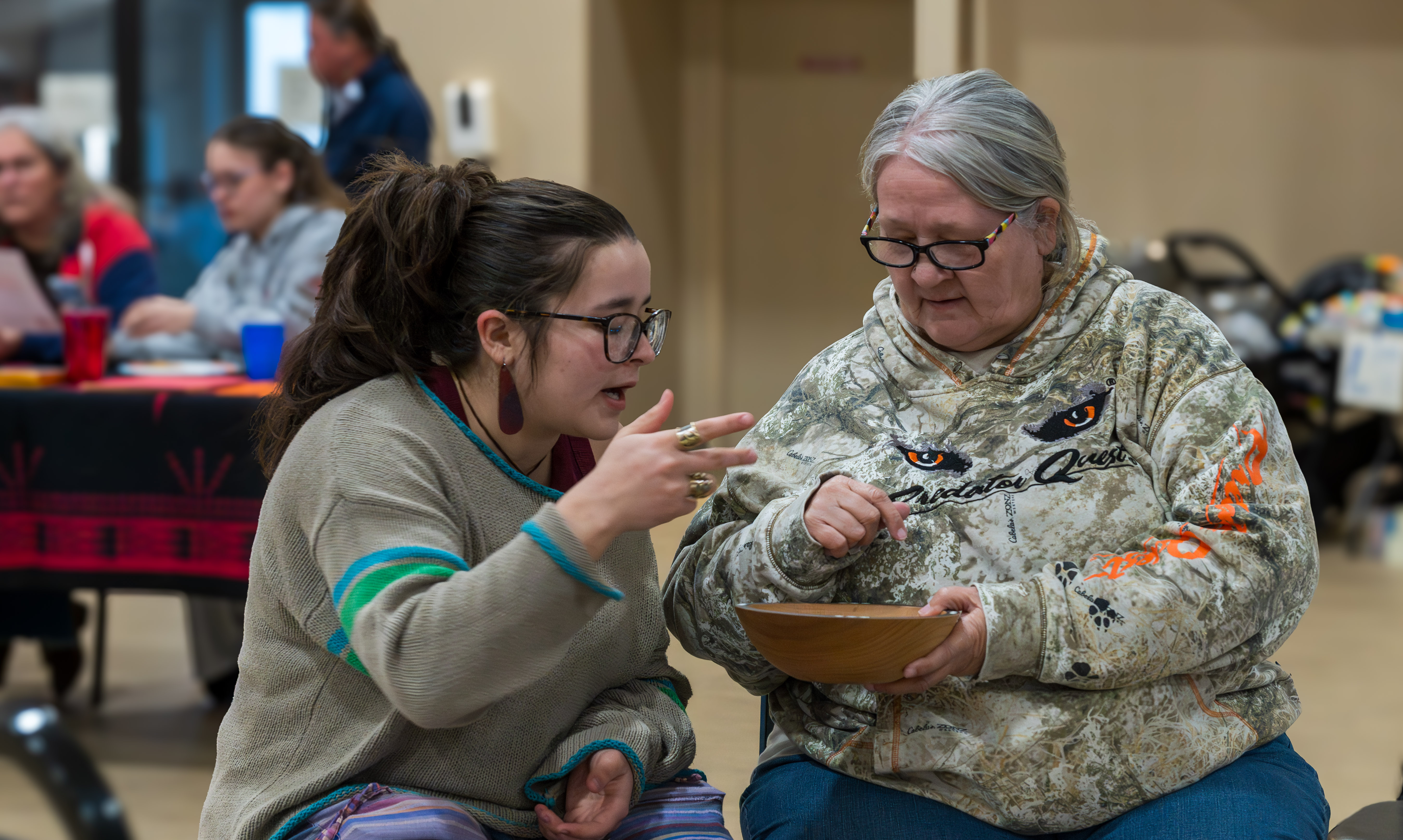
Weehki-kikahtwe is celebrated across Myaamionki in a number of ways. This past Saturday (February 21, 2026), the staff of the Cultural Resources Office of the Miami Tribe hosted a Lunar New Year party at the Council House of the nation in Miami, Oklahoma. The celebration included live music, games of all types, and pizza! This coming Saturday (February 28, 2026), the staff of the Cultural Resource Extension Office in Fort Wayne, Indiana, will host a new year celebration that includes storytelling, food, and games. Families and individuals also have their own ways of marking the beginning of the lunar new year. For our Myaamia relatives, please share how you celebrate weehki-kihkatwi by commenting below.
The Myaamia Lunar New Year also signals the launch of a new Eemamwiciki education theme: eeweentiiyankwi ‘we are related to each other’ (we often use the shorthand translation “family”). In this program, participants explore what it means when we say “we are related to each other.” Over the course of the year, participants in Eemamwiciki programs will explore who they are as individuals, who their close and extended families are, and who their ancestors are.
Through conversations in shared spaces, participants learn to identify similarities and differences in experience with family within the broader Myaamia community. Citizens and their family members are encouraged to participate in Eemamwiciki summer programs in person or online (ages 6-elder). Applications for summer programs will be available beginning April 1st on the Eemamwiciki Summer Programs homepage.

 Aacimotaatiiyankwi
Leave a comment