By: Hunter Thompson Lockwood
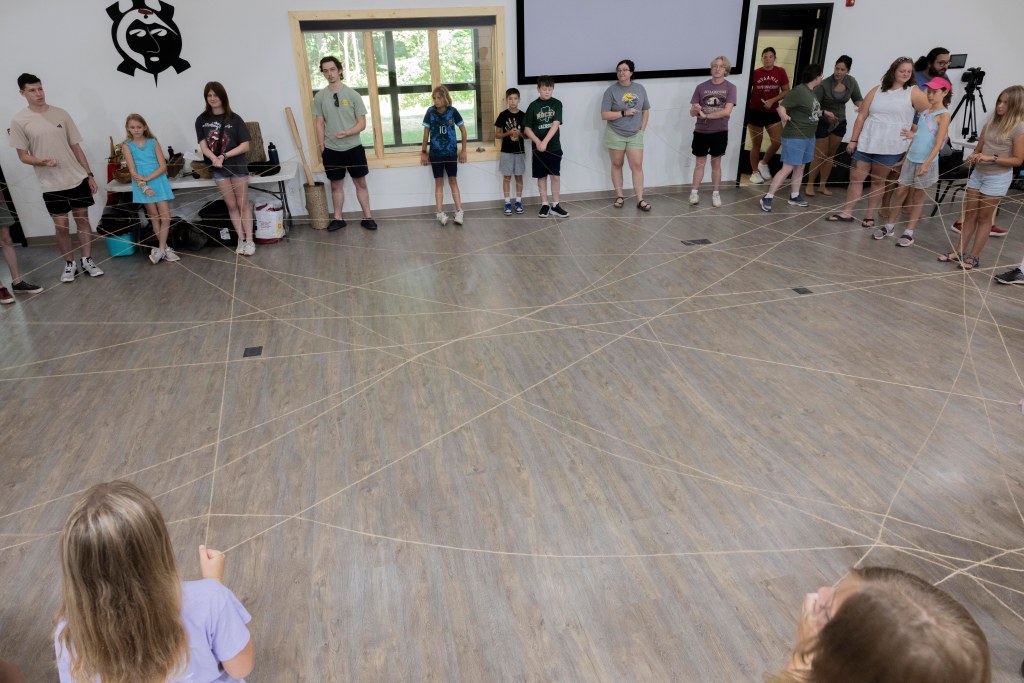
As spring turns to summer, we here at the Myaamia Center are starting to look forward to one of our favorite times of year: Eemamwiciki Summer Programs! The theme this year is Eeweentiiyankwi ‘Family’, and we wanted to talk about some words and concepts the Myaamia language has for family and kinship.
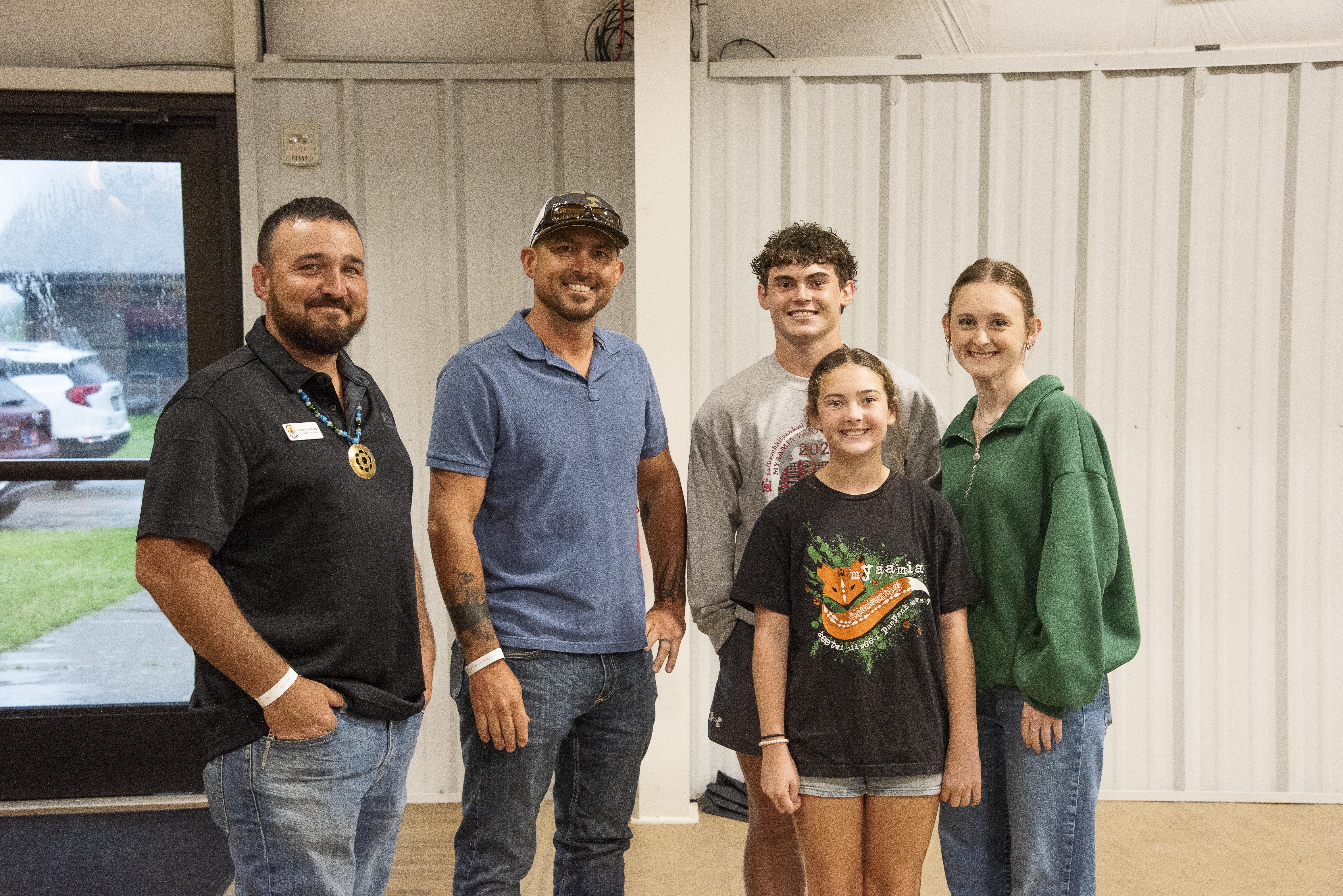
Photo by Karen Baldwin, Miami Tribe of Oklahoma.
In English, we use the word “aunt” to talk about both our mother’s sisters an d our father’s sisters, and “uncle”, of course, means both our mother’s brothers and our father’s brothers.
But if you spend as much time looking through the dictionary as I do, you might have noticed that iinka ‘mother’ is the same word you use for your mom’s sisters, and that noohsa ‘father’ is the same word you use for your dad’s brothers! (Bonus fun fact: English used to have a really similar system!)
In fact, the main time you use the Myaamia word nisekohse ‘aunt’ is when you’re talking about your dad’s sisters, and the main time you use nišihse ‘uncle’ is when you’re talking about your mom’s brothers! (Historically, it was a little more complicated than that; nišihse was used for the husband of either your mom’s sister or your dad’s sister, or one of your in-laws of the opposite gender, and nisekohse was used for the wife of either your mom’s brother or your dad’s brother. Let us know in the comments if you want a deep dive on all of these words and more!)
Why is that? Well, today, most Myaamiaki ‘Myaamia people’ live in a household with only their parents and siblings. But in the past, your mom’s sisters and dad’s brothers would have played a big role in your life; they were considered part of your immediate family.
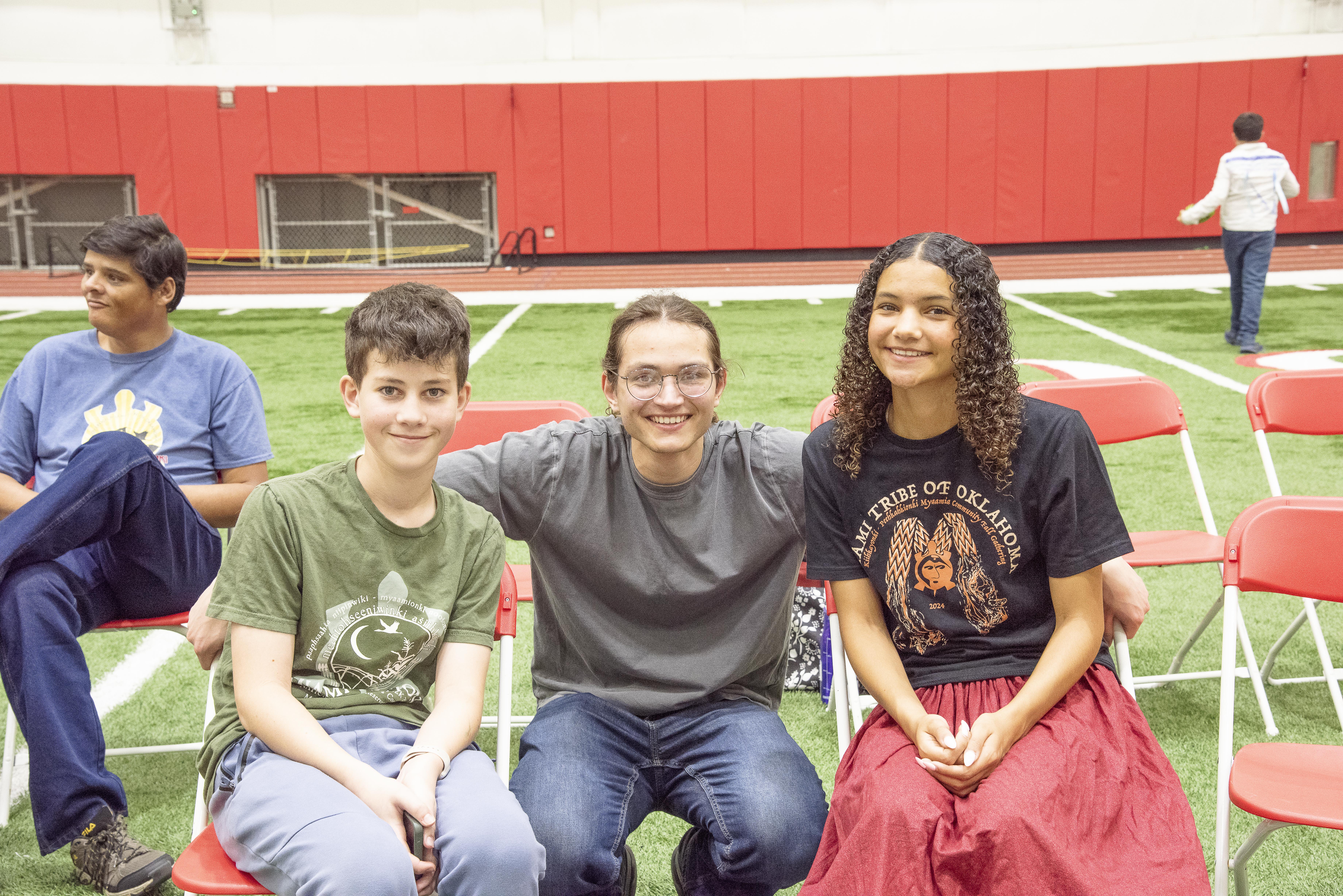
Photo by Karen Baldwin, Miami Tribe of Oklahoma.
And that’s just scratching the surface. That same system applies to cousins, too! When talking about your mom’s sister’s kids, or your dad’s brother’s kids — your “parallel cousins” — you talk about them the same way you talk about your own brothers and sisters.
There’s a different way of talking about your other cousins, which you’ll learn all about if you come to summer programs this year, but in the meantime, check out the dictionary or our social media posts about family words, and keep practicing!
Credits:
Featured Photo by Jonathan Fox, Myaamia Center


Leave a Reply