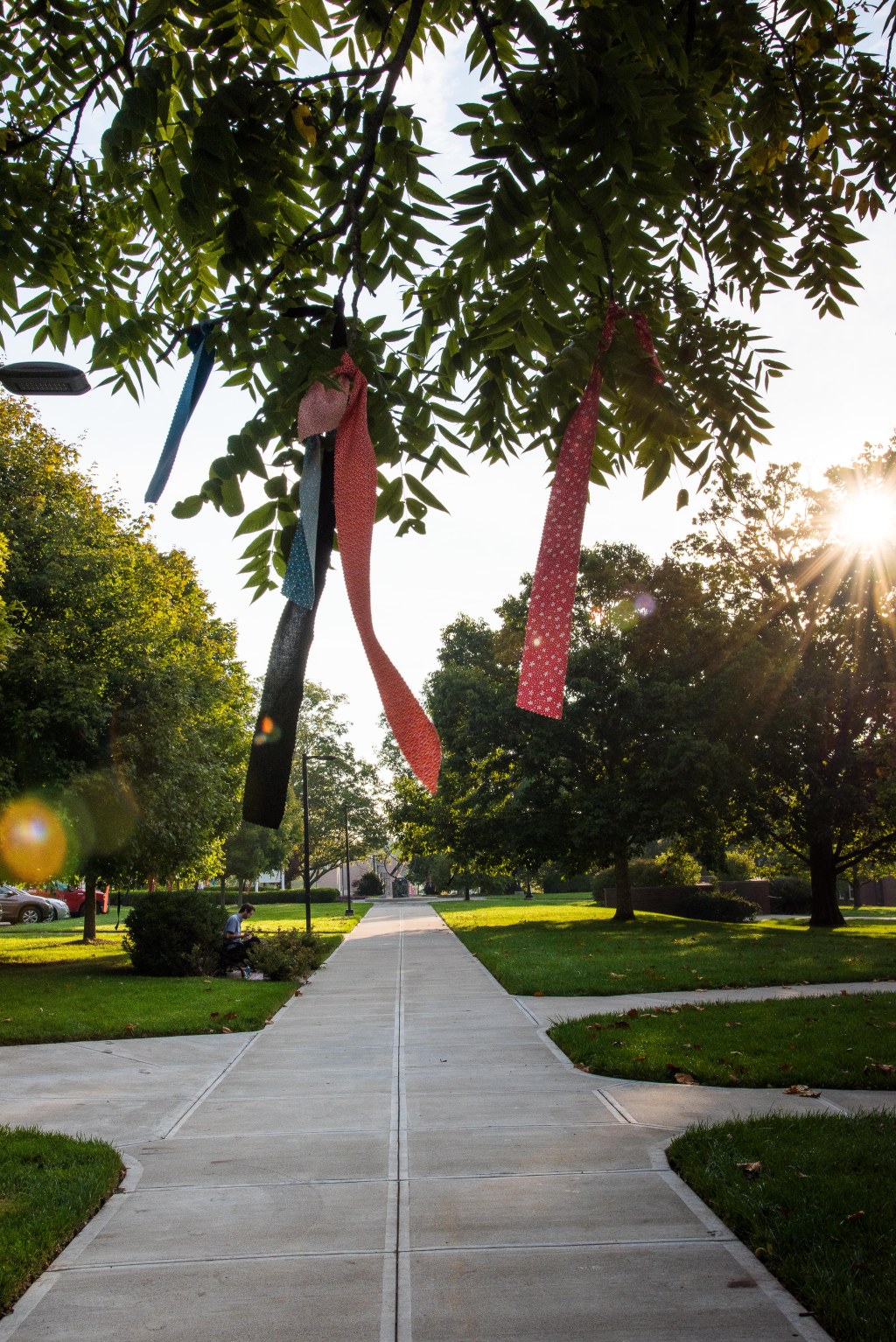
The autumn of 1846 saw one of the most monumental events in the history of the Miami people: the forced removal of over 300 Myaamiaki ‘Myaamia people’ to a new reservation in Kansas. This event marked a significant physical separation of Miami people. It affected, and continues to influence, all Myaamia families. In 2021, then Miami Tribe of Oklahoma THPO Diane Hunter wrote a series of historically grounded posts, Meehkweelintamankwi Aanchsahaaciki ‘Remembering Our Forced Removal.’ Diane’s research led to annotations to the still-vital removal booklet, myaamiaki aancihsaaciki: A Cultural Exploration of the Myaamia Removal Route. Each of these readings is an important source of information and perspective on this critical topic.
2026 marks 180 years since the first Myaamia removal.
One of the research issues that has drawn our attention recently is the financial realities of Indian removal. It is true that Native American land was a primary motivator for the United States to dispossess, and eventually deport, Native nations. The Miami removal sheds some light on a shadowy world of contractors. The deportation of people out of the United States is done by firms who are paid by the U.S. government to physically move people. That was true in 1846, and is true today. For Native American removals, the federal government sometimes used the process of sealed bidding, while in the Miami case, the War Department awarded a no-bid removal contract to a Whig Party ally and newspaper editor from Terre Haute named Thomas Dowling.
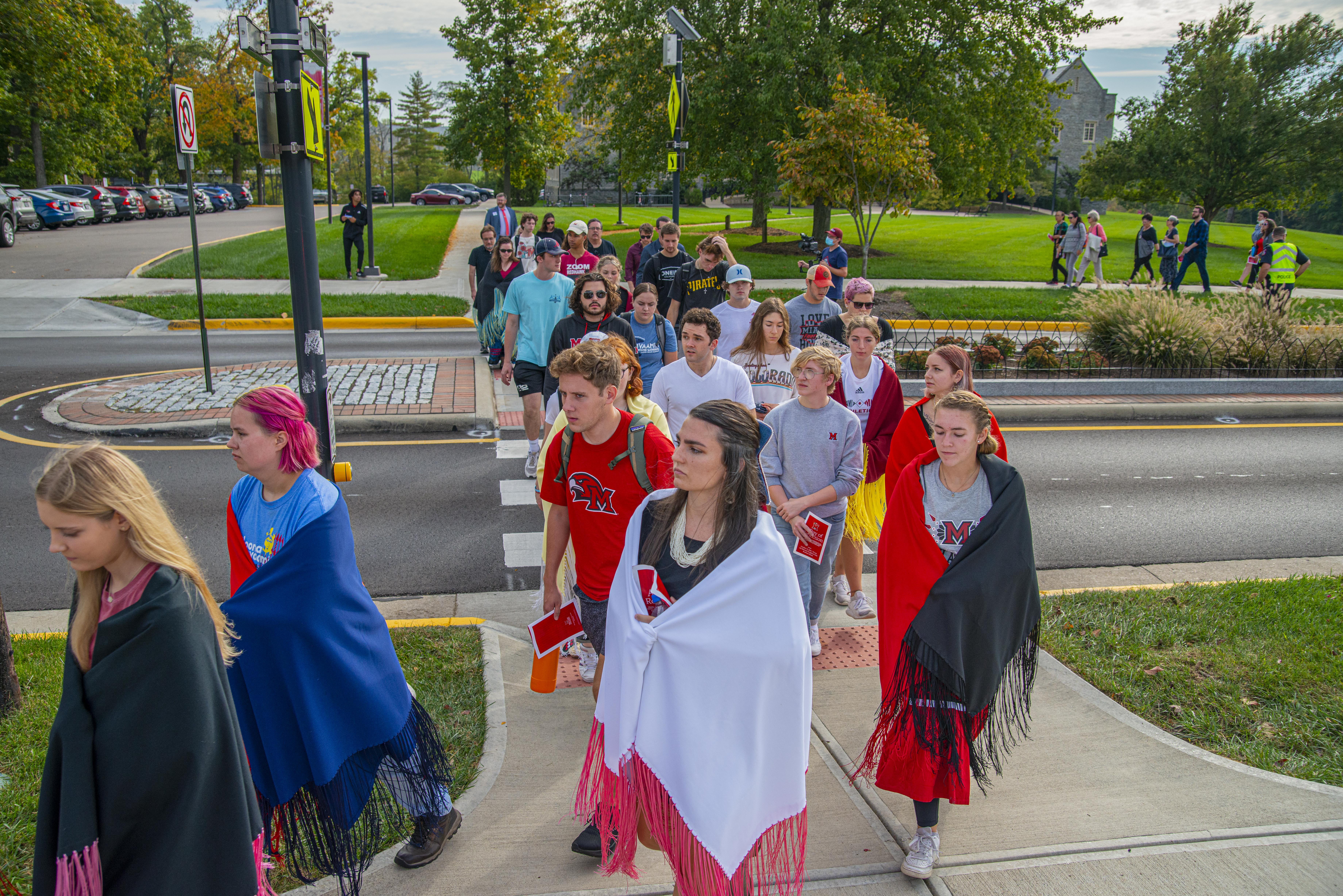
While October 6 marks the date that Myaamiaki boarded canal boats in Peru, Indiana, the process of relinquishing territory; negotiating the right to remain for some; traveling to Kansas; and recovering and returning was a drawn-out process. Earlier iterations of this struggle have recently been described, for example, in Rebecca Nagle’s podcast, First America, episode four of which features Myaamia scholarship. Meehkweelintamankwi Aanchsahaaciki ‘Remembering Our Forced Removal’ has details on the myriad aspects of the Miami Removal.
Additional Credits:
Featured Photo by Karen Baldwin, Miami Tribe of Oklahoma
Updated: 10/7/26


Leave a Reply