Written by: Doug Peconge, Claudia Hedeen, and Stella Beerman
CREO History
This story begins in 2014, when the Miami Tribe of Oklahoma purchased a 10-acre property on Trentmann Road, just south of Kiihkayonki ‘Fort Wayne, Indiana.’
By 2015, the Tribe established the Cultural Resources Extension Office (CREO) at this property with just two employees. From the outset, the CREO focused on creating opportunities for Myaamia citizens in the Lower Great Lakes region to connect with their language, history, and culture.
Fifteen people attended the first event, shared a meal, and played a community game of lacrosse. Over the next four years, attendance steadily climbed, reaching approximately 110 community members by 2019. It quickly became clear the community was outgrowing this space.
The Building Construction
After determining that remodeling the original site was cost-prohibitive, the Cultural Resources Office (CRO) set out to find a location that matched the evolving vision. In fall 2021, the Tribe took possession of a 45-acre property that would become known as Peehkahkionki ‘the beautiful place.’
With the passing of the American Rescue Plan Act (ARPA), funds were allocated to promote the health and well-being of Myaamiaki ‘Myaamia people’. While tents were initially rented to host events, our community needed a permanent space protected from the elements.
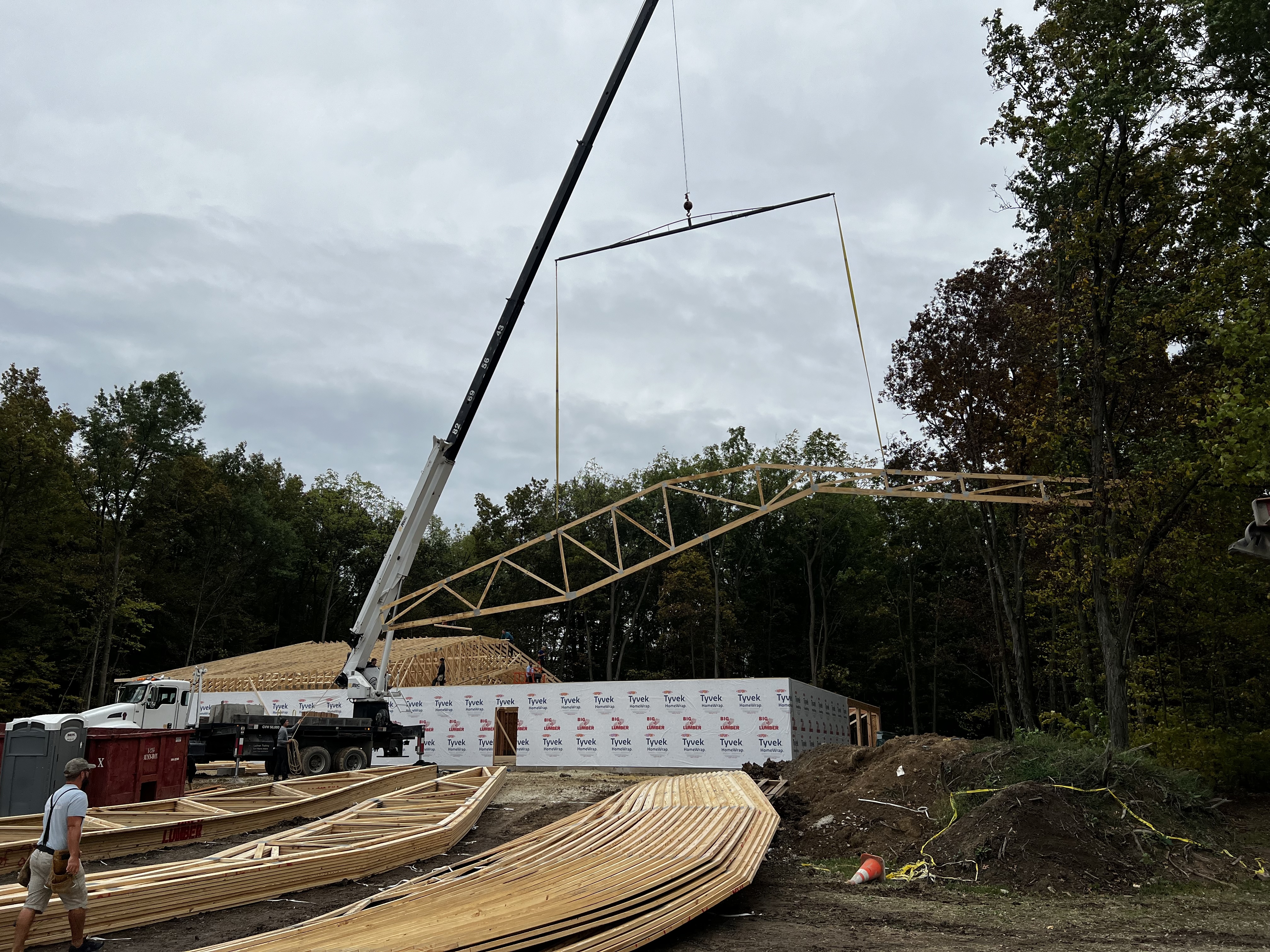
In fall 2022, CREO staff began collaborating with architect Jim Wyss. With input from the Myaamia Center and CRO staff, Jim designed a building that specifically supported health and wellness initiatives. By spring 2023, it was time to start construction, navigating the complex regulatory landscape of Allen County, Indiana. Strebig Construction, a Fort Wayne-based company with over 35 years of experience, was selected to help navigate the process.
In June 2024, a historic milestone directly affected this project: Peehkahkionki received trust status from the Department of the Interior. This allowed the Tribe to regain self-governance in our original homelands, but also required a transition in how the project was regulated.
As the land transitioned to the Miami Tribe’s jurisdiction, the Miami Tribe worked diligently with local officials through the nuances of tribal sovereignty. During a visit to Kiihkayonki ‘Fort Wayne’ in June 2024, tribal leadership met with state and local representatives to facilitate this transition. Akima ‘Chief’ Lankford provided formal documentation to building and planning departments to clarify the land’s new status. The Tribe also worked directly with utility providers to establish a framework that recognized the Tribe’s regulatory authority, allowing work to proceed in coordination with our builders.
The CRO strongly supports historic preservation and had a Phase 1 shovel test to ensure we were not disturbing any graves or undocumented village sites. In some areas of the property, limited ground disturbance did not necessitate a full shovel test. The Tribe brought in a site observer to monitor the work done to dig our water and sewer lines. The monitor, a trained archaeologist, looked for any signs of a village or grave before construction began.
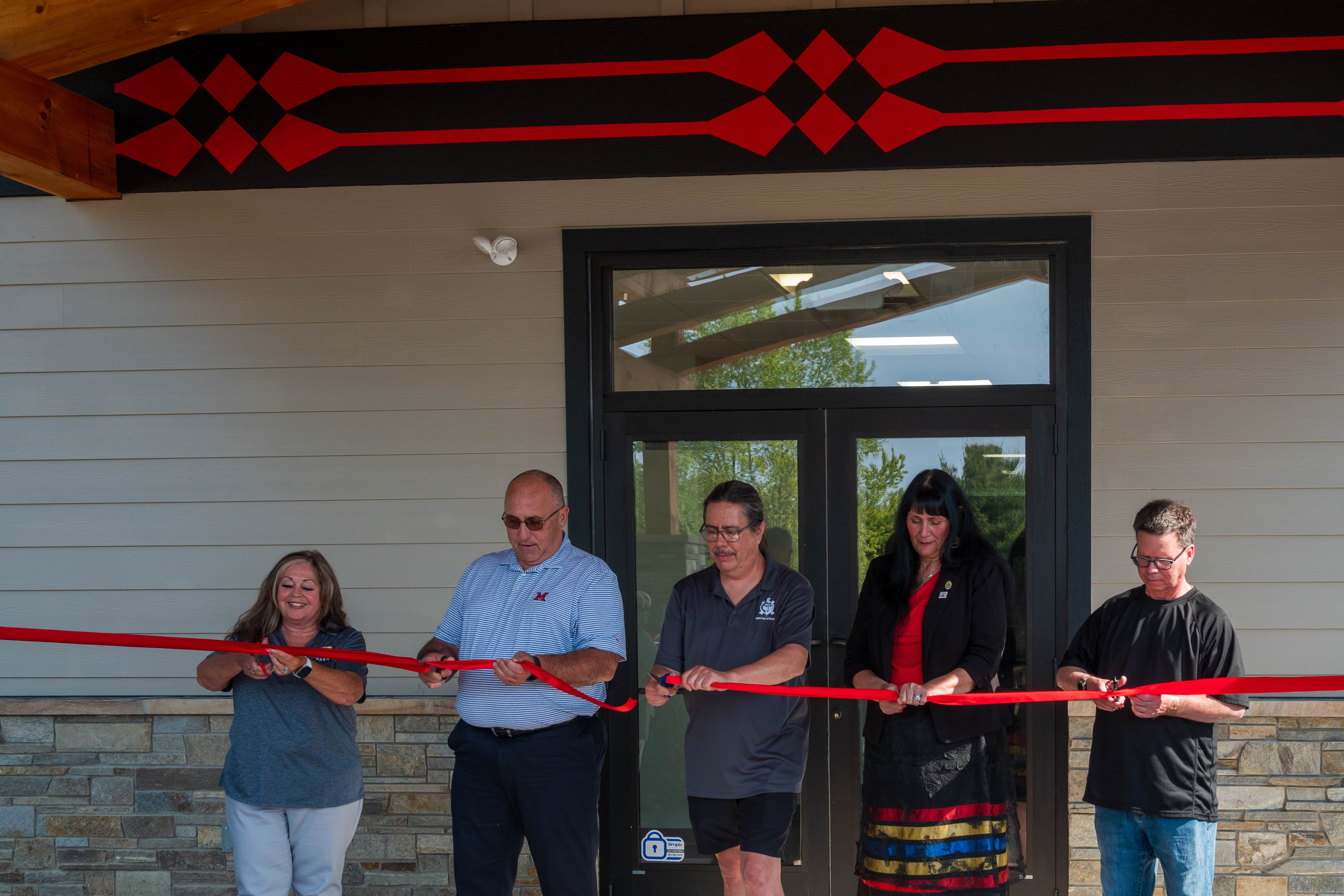
Finally, in June 2025, tribal leadership traveled to Fort Wayne for the grand opening. Over 100 community members attended this event to celebrate this space.
Programming at Peehahkionki
The 45-acre property is now a hub of activity, hosting six major annual events, alongside the Miami Tribe Business Committee’s Fall Gathering.
The property features 13 acres of woods and a 3-acre pond stocked with bluegill, bass, and crappie. Fishing is a favorite activity among attendees. During a recent fishing derby, participants earned bonus points for using Myaamia language related to the activity.
The CREO also celebrates the Myaamia Lunar New Year by gathering for lunch and Winter Storytelling. It’s much more enjoyable holding this event in our own building, rather than previously rented reception halls.
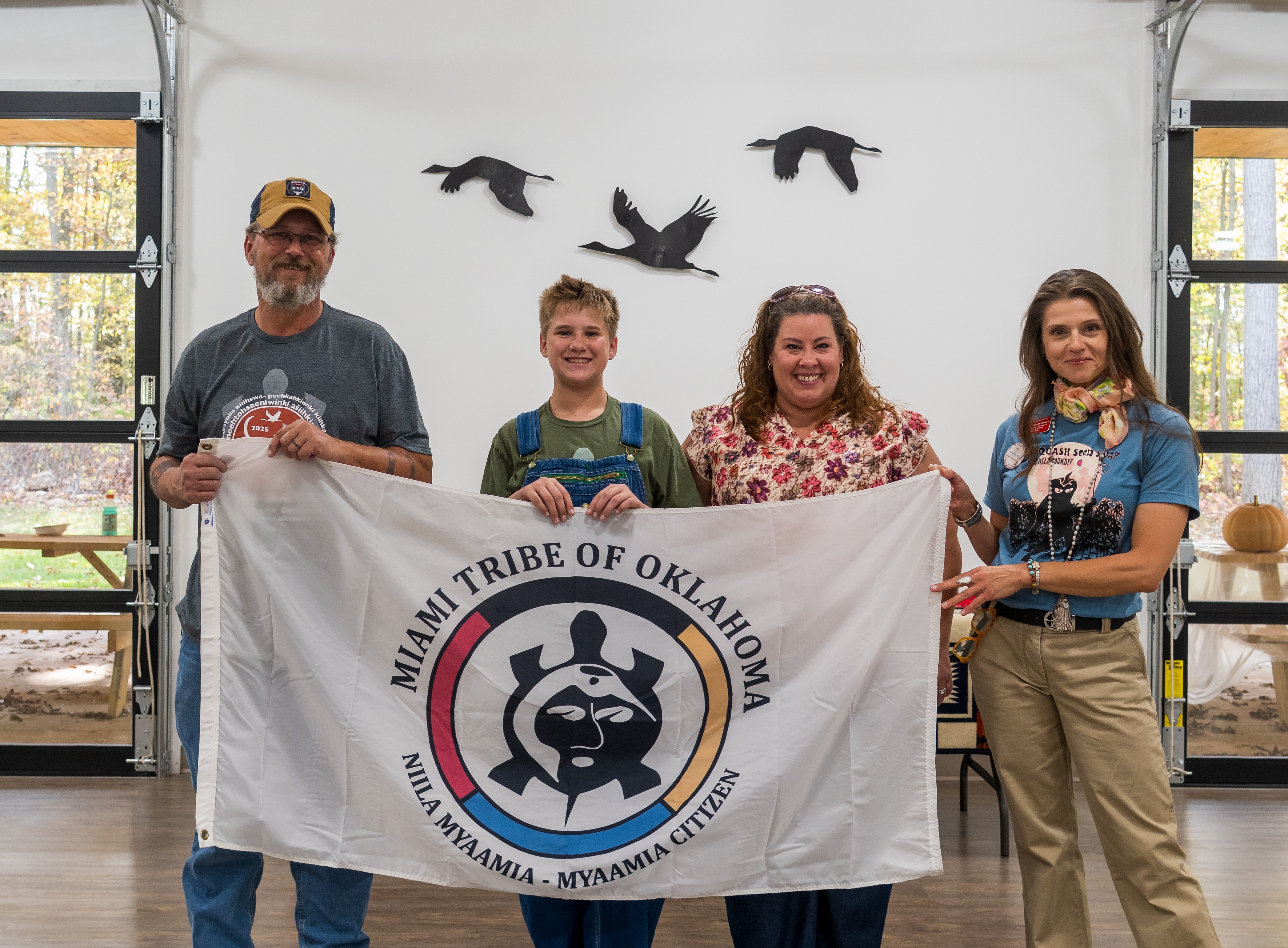
The Spring Seed Swap event has also moved from a tent to the new climate-controlled building. Myaamia community members plant seeds to take home or exchange seeds for their own gardens.
The CREO has held a spring lacrosse game for the past decade, typically held in June because the lacrosse field was wet in early to mid-spring. During construction, displaced dirt was used to raise the field level by two feet to enjoy drier games in the spring!
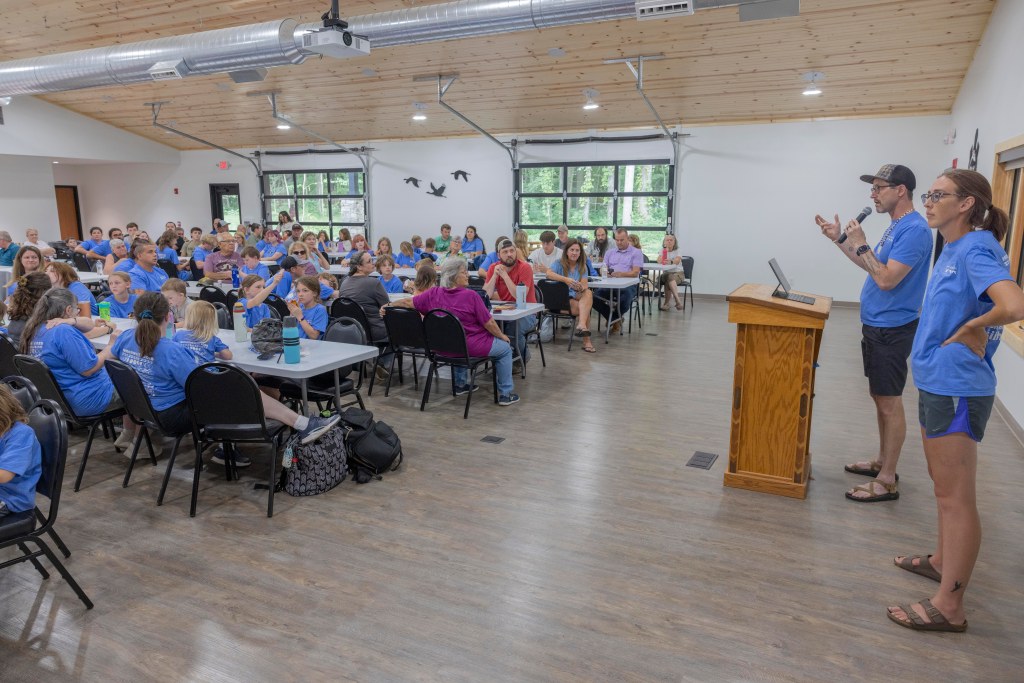
In 2025, for the first time ever in Kiihkayonki ‘Fort Wayne’, the Eemamwiciki Summer Programs were held on tribal lands. Saakaciweeta, Eewansaapita, and Neehsapita were able to utilize tribally-owned buildings and properties. Over 160 people attended the closing celebration, which included a fish fry with the majority of the fish caught by Kirk Strass from the pond, a stomp dance led by students from a Myaamia Center internship program, and a community lacrosse game.
In late fall, CREO staff celebrate the beaver by dedicating a week to beavers. Historically, Myaamia people considered beavers helpful because they dammed up waterways, thus creating shorter portages between rivers. CREO staff provide fun, engaging, and cultural facts about beavers for a week in December. At the end of the week, the community prepares and eats two to three beavers to bring purpose back to animals trapped as nuisances.
Additionally, each year the Miami Tribe’s Business Committee travels to Kiihkayonki ‘Fort Wayne’ to share updates on the annual gathering and information about programs available to community members. After tribal leadership concludes the informational meeting, CREO staff provides guided hikes, fishing, and lacrosse at the property. The evening includes a potluck dinner and a stomp dance.
All Myaamia citizens are encouraged to visit Peehahkionki to participate in the events. Keep an eye on miamination.com/all-events for opportunities to join the programming!
Additional Credits:
Featured photo by Jonathan Fox, Myaamia Center


Leave a Reply