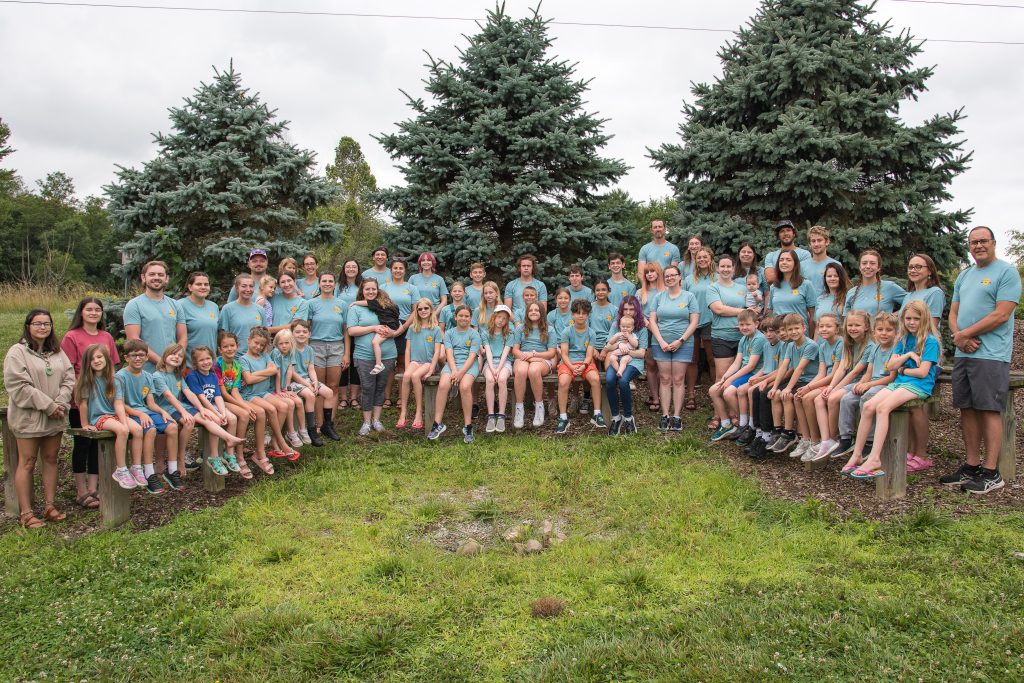
Each year, the Miami Tribe of Oklahoma hosts the Eemamwiciki Summer Programming for tribal members ages 6 and older. This 5-day experience is designed to teach participants about Myaamia language and culture while having fun and bonding with community members.
This past Summer, the theme of the programming was Kiikinaana ‘Our Homes.’
In June 2023, we had 41 participants across the Saakaciweeta, Eewansaapita, Maayaahkweeta, and Neehsapita programs in Noošonke Siipionki ‘Miami, Oklahoma.’ In July 2023 we had 38 participants across the four programs in Kiihkayonki ‘Fort Wayne, Indiana.’ This was the first year we had Maayaahkweeta and Neehsapita participants in Kiihkayonki!
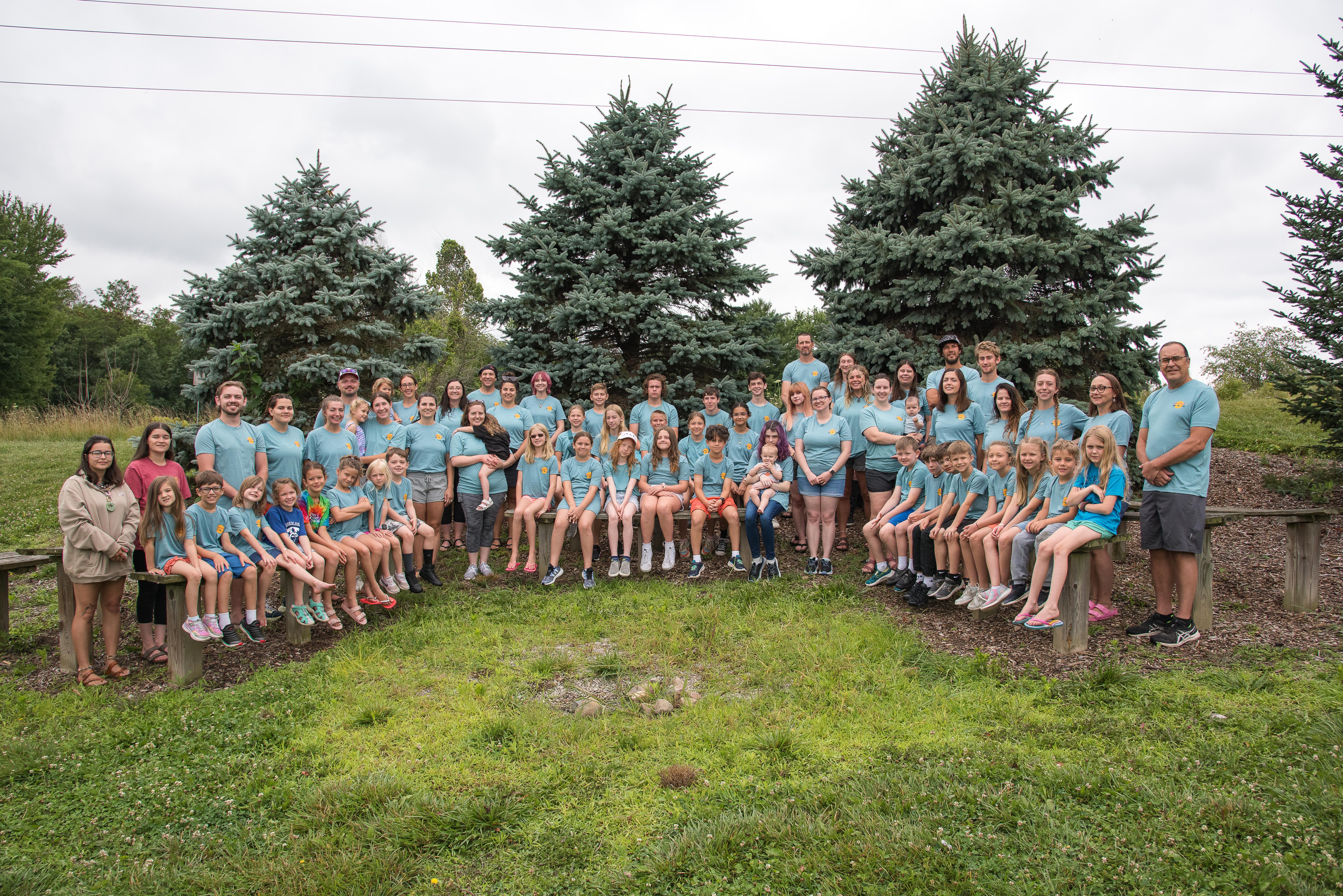
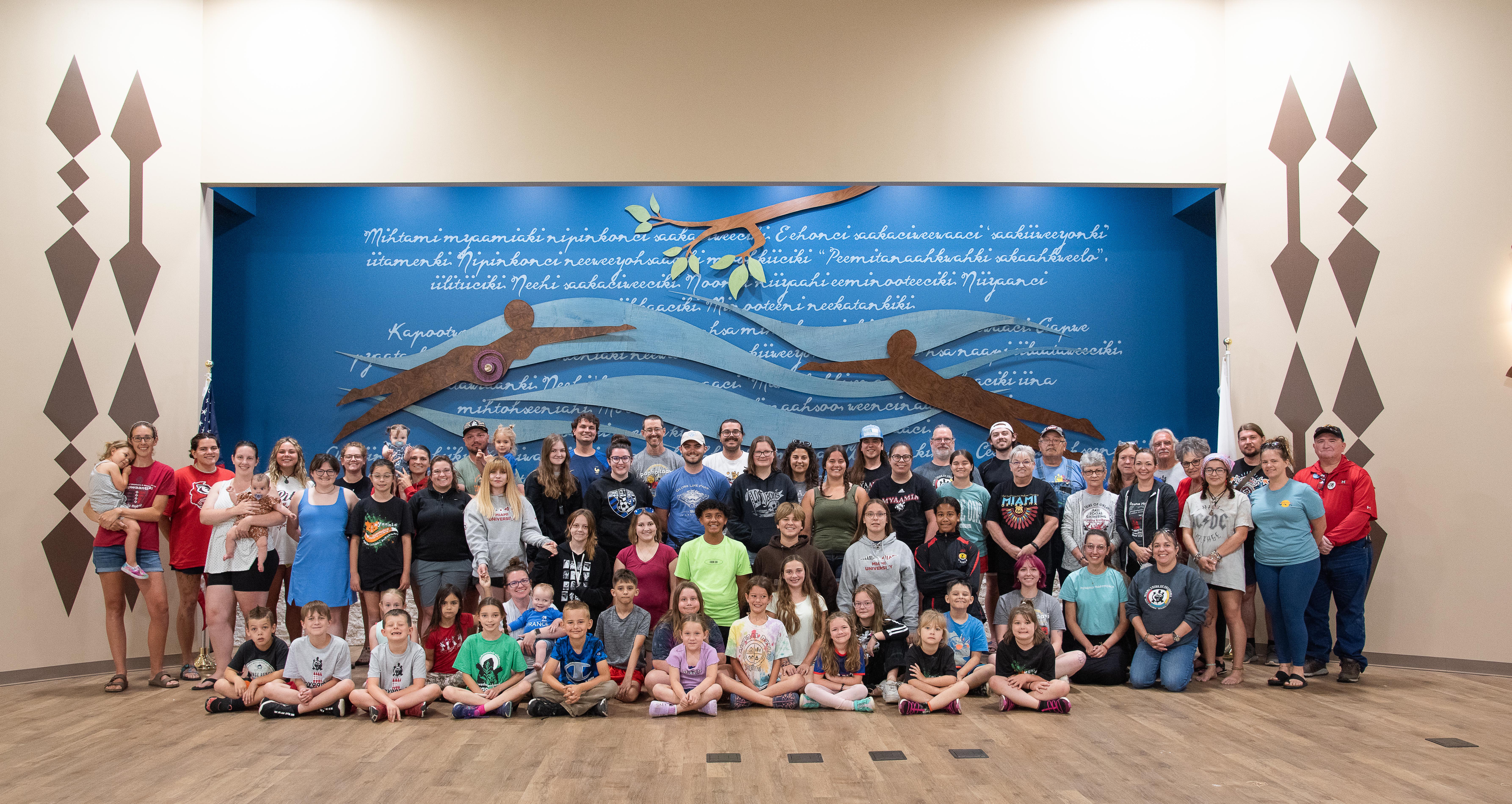
Young adults in the Myaamia community serve as counselors for Saakaciweeta and Eewansaapita. Many of the counselors are alumni of Eewansaapita or attend Miami University through the Myaamia Heritage Program. Some of the counselors are local to Oklahoma or Indiana, while others travel from various states to participate.
Since 2018, the Office of Assessment and Evaluation at the Myaamia Center has conducted assessments on how the Eemamwiciki Summer experience impacts participants. With the help of Haley Shea, I will include some of those findings to provide participants with a snapshot of their data and provide insight to those who may be interested in the programs but haven’t attended yet.
YOUTH EXPERIENCE:
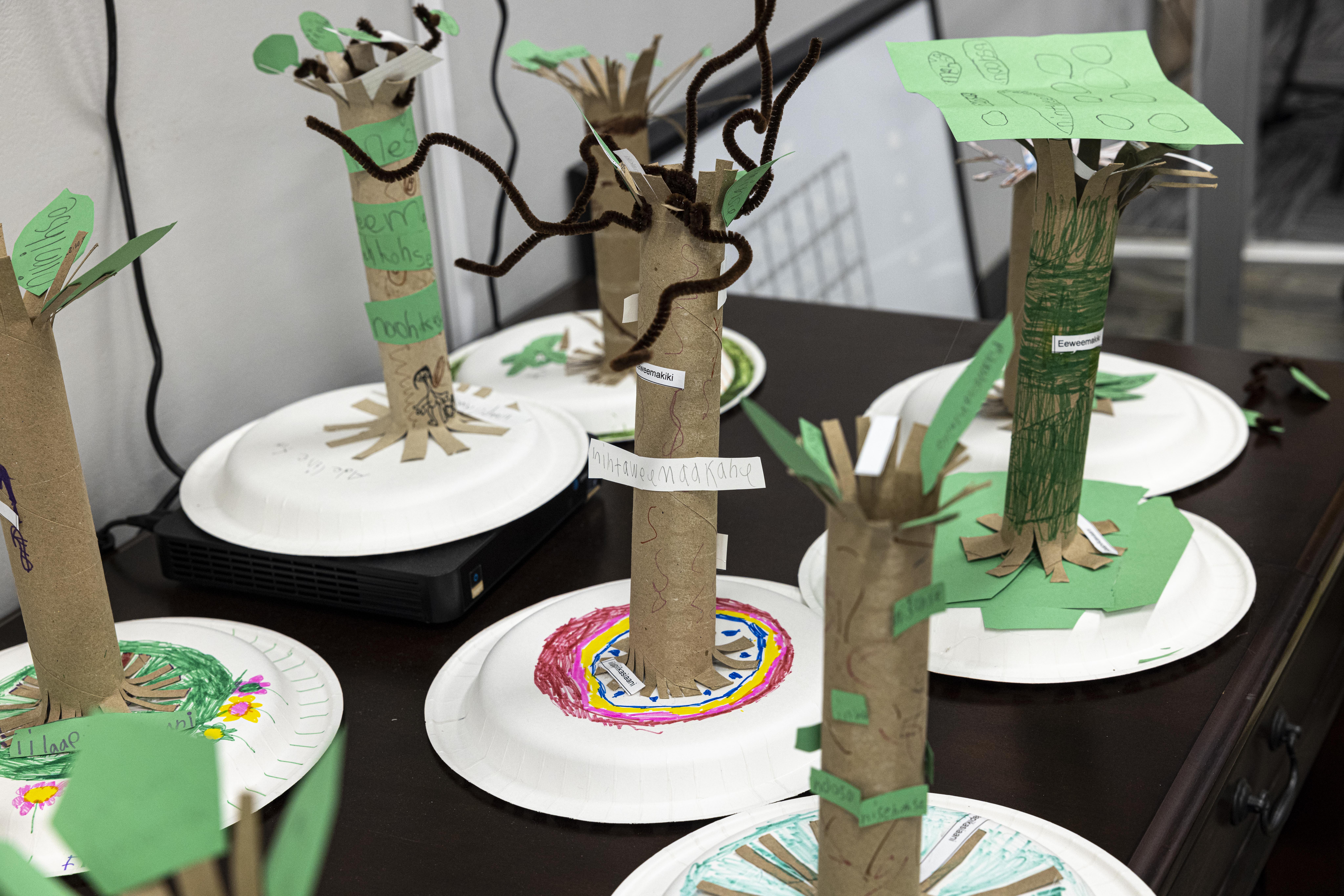
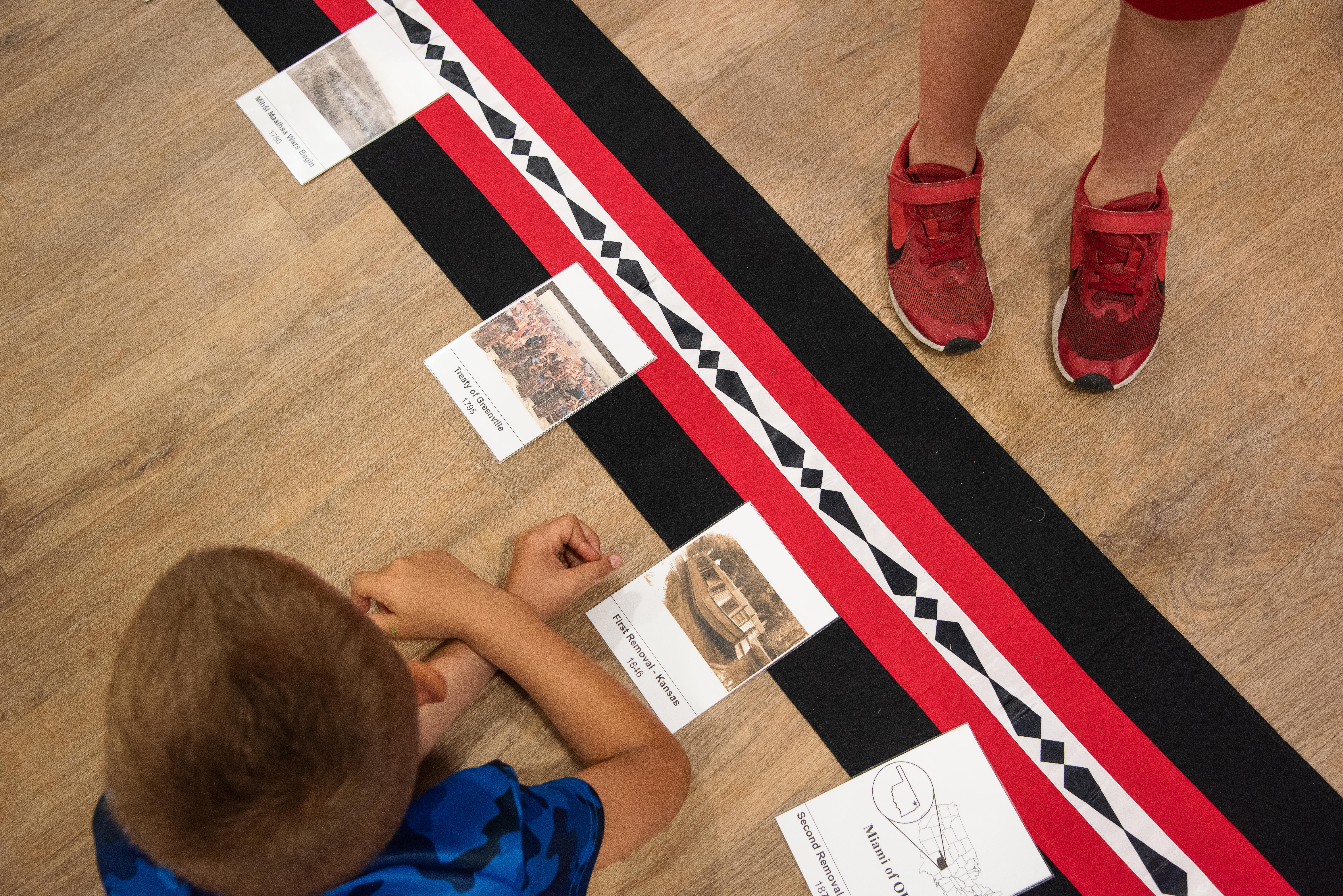
Saakaciweeta participants (ages 6-9) spent the week creating a family tree and 3-D representations of their bedrooms to practice kinship terms and other language related to the home. Learning about our homes doesn’t just include the physical structures we live in, but the environment and space around that structure, too. By interacting with the Myaamia Emergence Story and creating a timeline of Myaamia history, participants were able to learn more about the environment and land within Myaamionki ‘Myaamia homelands.’
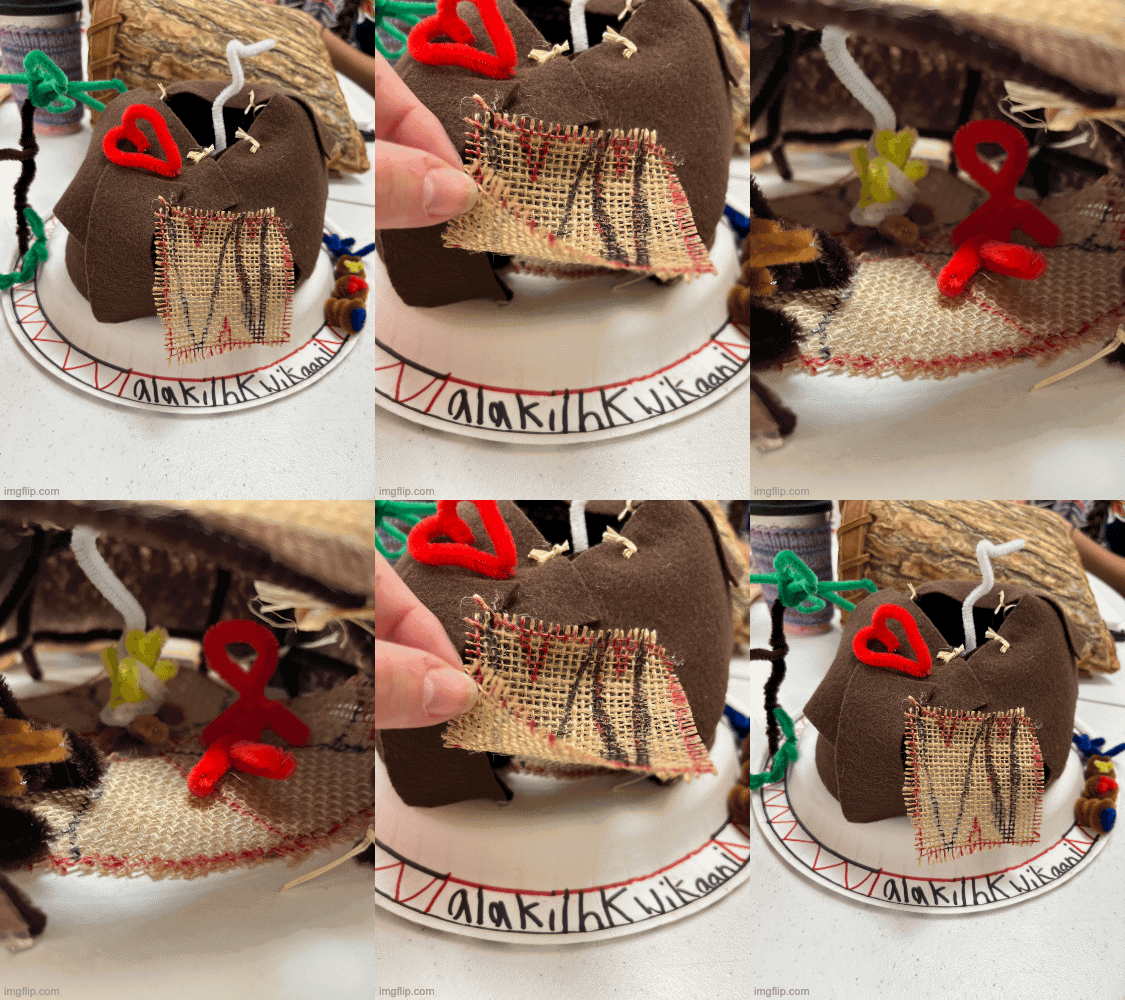
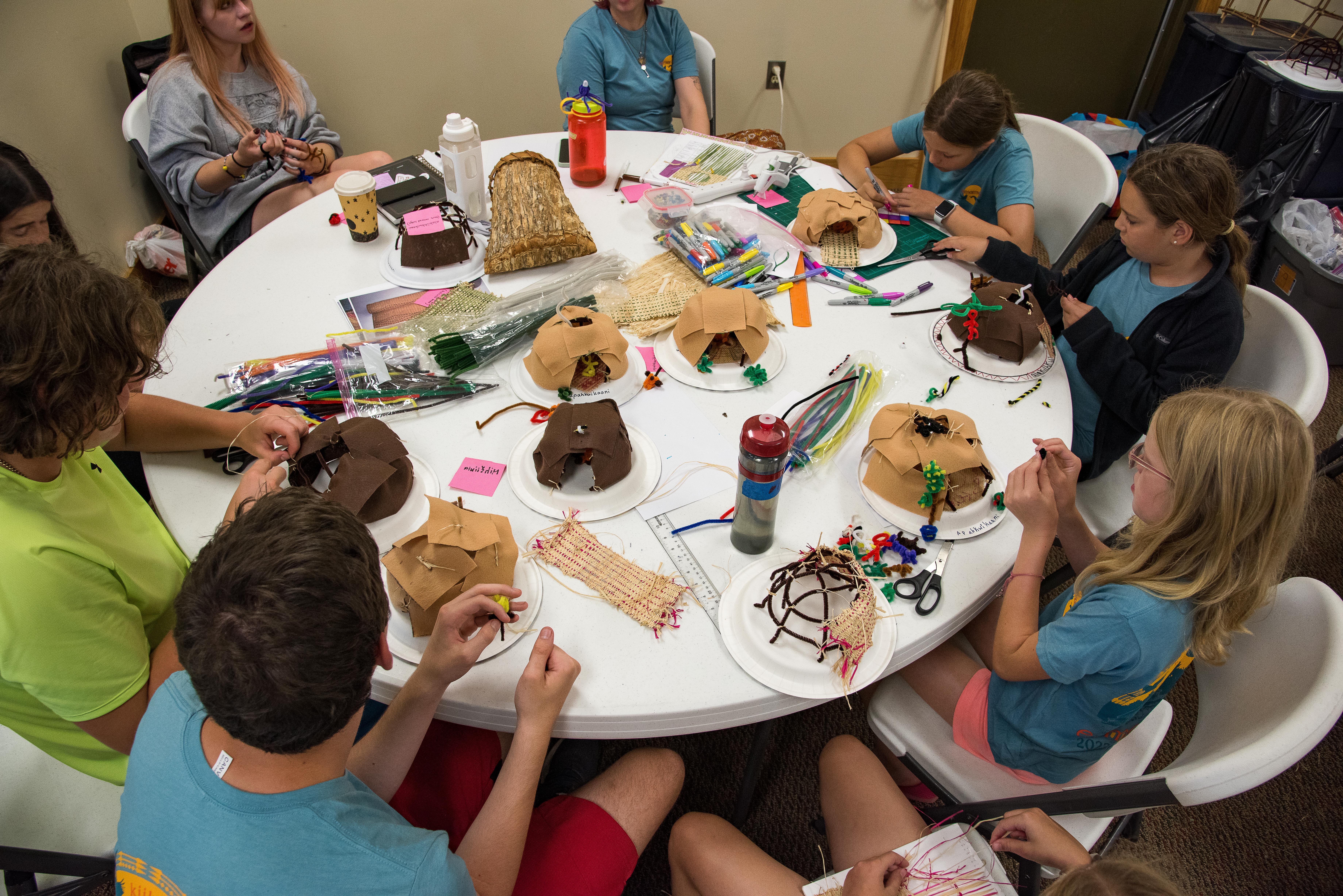
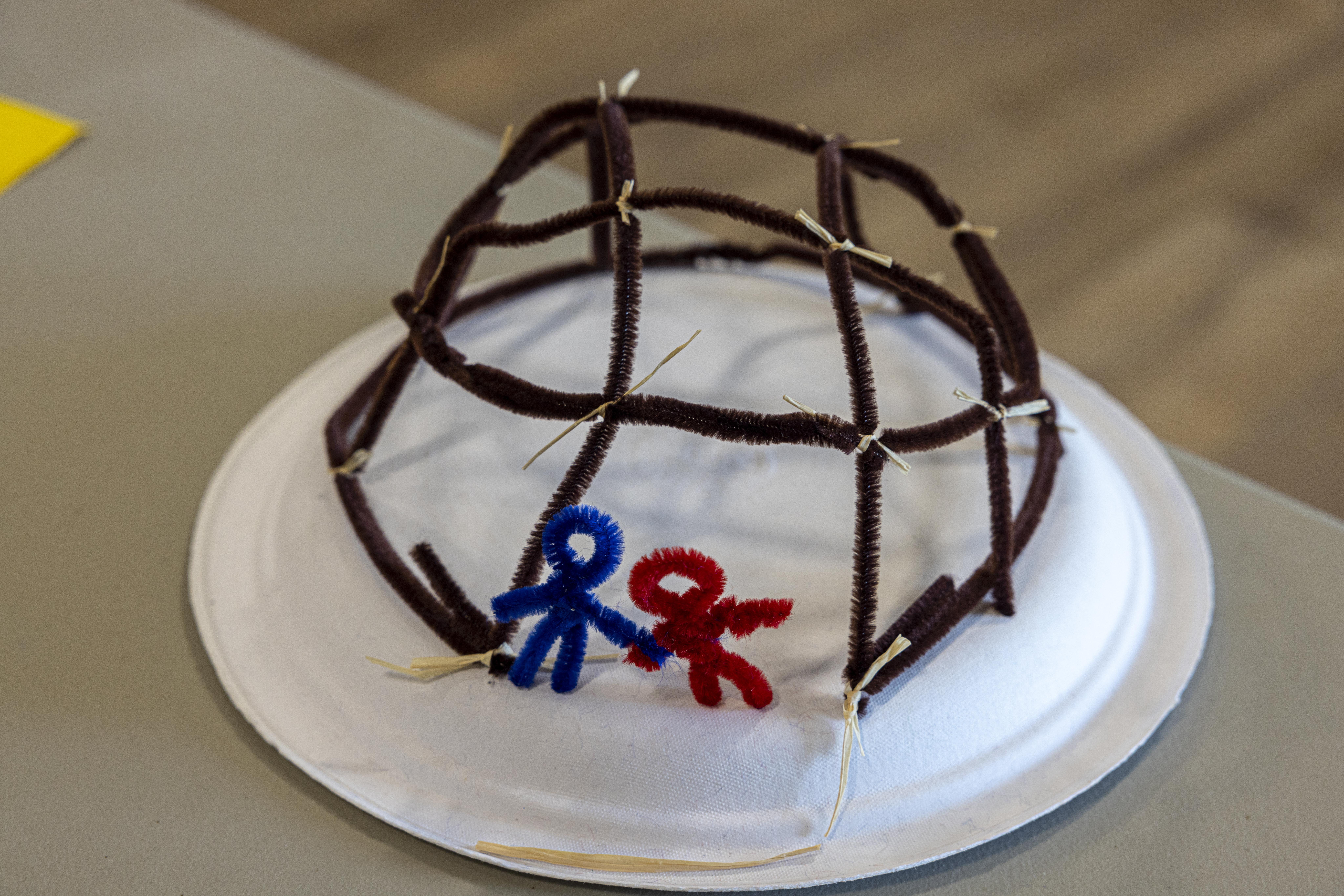
In the Eewansaapita program (ages 10-16), participants spent time making a documentary film telling the story of kiikinaana from their own perspectives as well as making a wiikiaamintehsi ‘mini wiiikiaami’ with coverings that simulate elm bark and cattail mats historically used on wiikiaami structures.
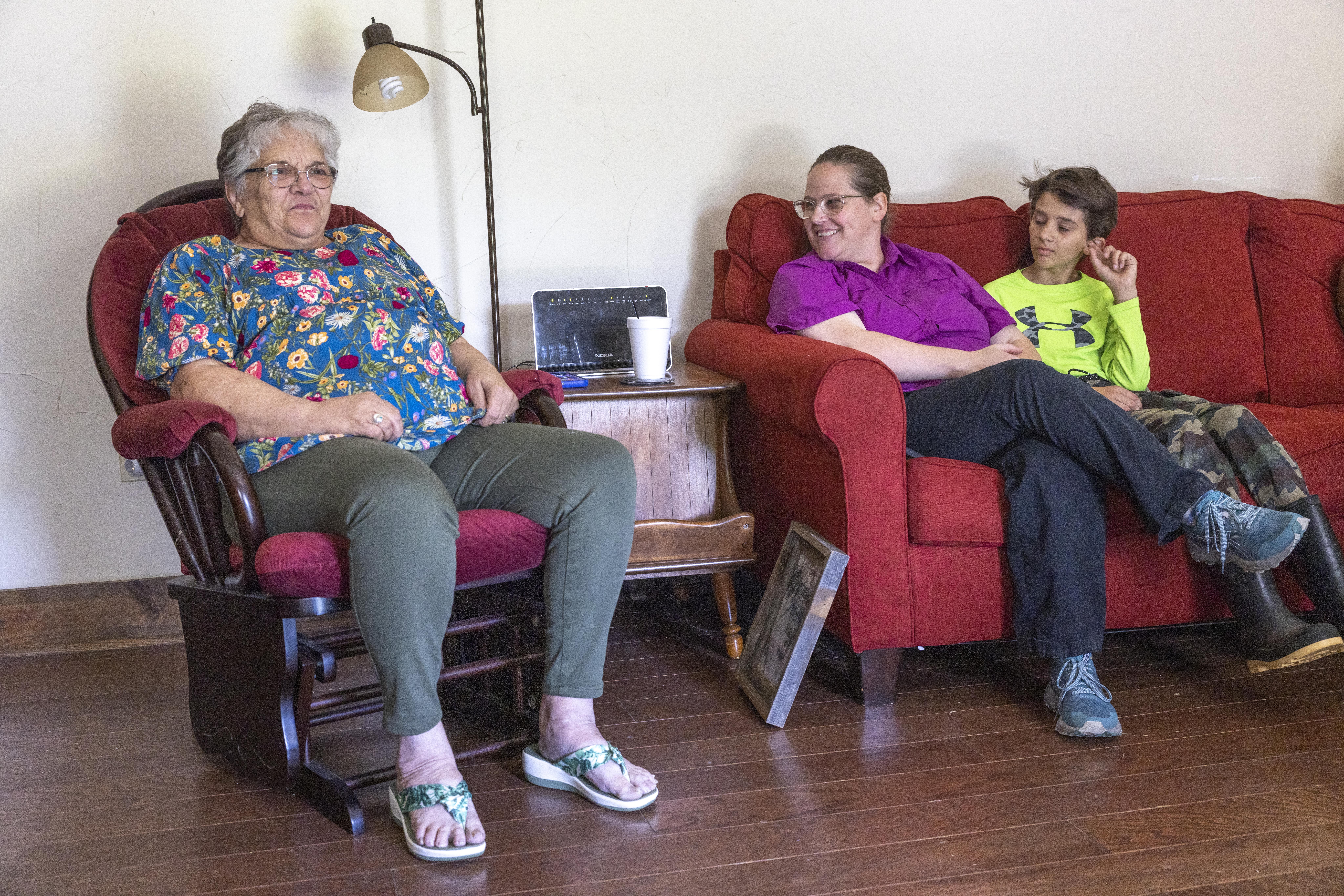
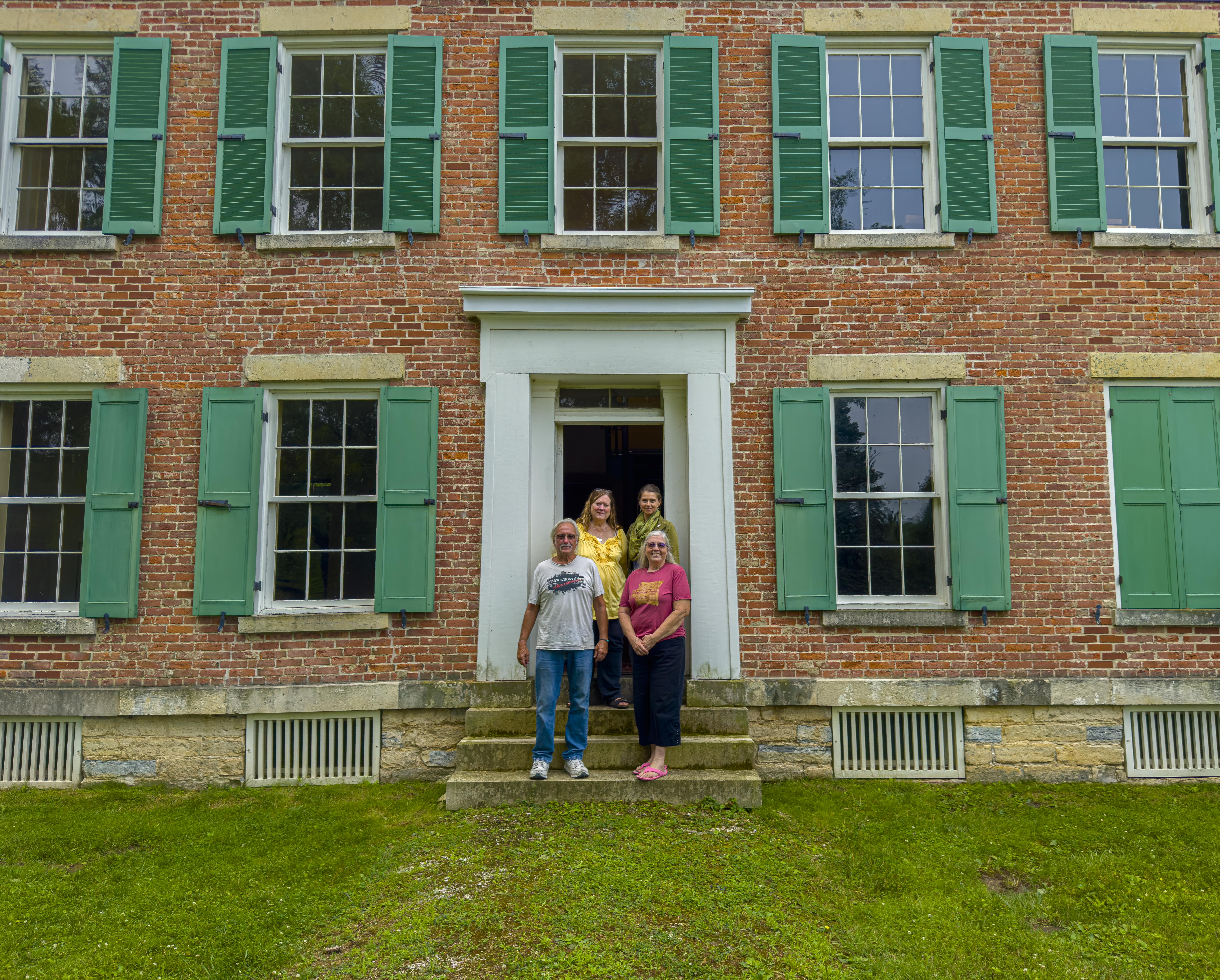
In Noošonke Siipionki, Eewansaapita participants were able to hike around the Chief David Geboe House to learn about the ecology on the property and listen to Melissa Palmer, a Myaamia elder, share her experience growing up in the house.
Maayaahkweeta participants (ages 17-18) were exposed to a wide range of skills related to Myaamiaataweenki ‘the Myaamia language’ in the home, including participating in immersion sessions and creating a video featuring language used in the house. Maayaahkweeta participants also spend time with the younger participants, serving as mentors and leaders in certain activities.
YOUTH OUTCOMES:
In all three of the youth programs, 100% of participants reported having fun. This is one of the primary goals of the programs because we know when participants are having fun, they are more likely to continue engaging with the community and Myaamia knowledge system throughout their lifetime.
We also see a significant increase in the sense of belonging for all participants when comparing whether they agree with the statement “I have a strong sense of belonging to my Myaamia community or Nation,” before and after the program. Approximately 74% of youth participants agreed with this statement before starting the program, but it rose to 83% across all youth programs at the end of the week.
Ultimately, this tells us that a single week is enough to increase participants’ sense of belonging in the Myaamia community. The youth tell us that they learn about Myaamia homes, language, history, and community and implicitly learn about Myaamia values. Youth participants are gaining both explicit lessons about Myaamia language and culture and also picking up on implicit messages about Myaamia ways of being.
Participants get excited to share what they know about Myaamia language and culture with others, like family and friends, when they leave. At the end of the week, participants tell us their favorite parts of the experience were playing lacrosse, learning the language, and meeting new friends/relatives.
ADULT EXPERIENCE AND OUTCOME:
Over at Neehsapita, our adult program, participants focused on fiber arts and weaving activities with guest instructor, Jared Nally. Participants learned about the materials found in Myaamionki and did several hands-on activities with cornhusks, cattails, and finger weaving throughout the week. In Kiihkayonki, participants were able to visit several significant cultural sites, including the Chief Richardville House and Seven Pillars.
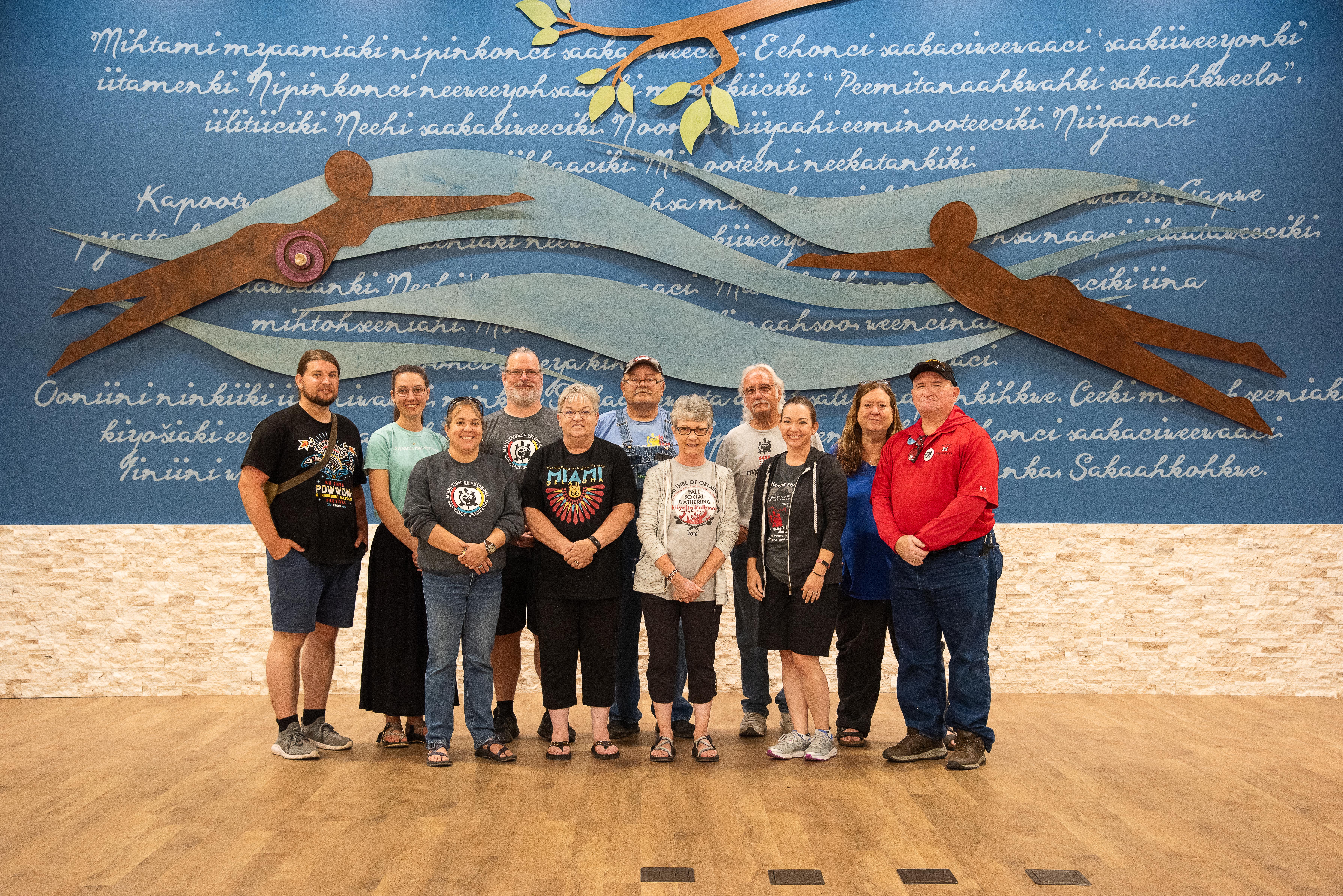
Much like the youth programs, Neehsapita participants report having fun and looking forward to sharing what they learn with others. By the end of the week, all participants stated it’s important to know the Myaamia language (88% before the program) and they look forward to returning next year to connect with other Myaamiaki ‘Myaamia people,’ to have fun, and continue learning.
FINAL THOUGHTS:
Across all four programs, the Office of Assessment and Evaluation found that Eemamwiciki summer programming facilitates an increase in knowledge and “belonging”. Participants value the experience and leave wanting to know more about history, stories, and culture in general. The counselors’ sense of self and knowledge are impacted by the experience, as well.
While each of the programs was happening in person, an “at-your-own-pace” version was hosted online at Šaapohkaayoni: A Myaamia Portal, starting on June 19, 2023. Those who participated online were able to complete a digital scavenger hunt related to minooteeni ‘a pre-Removal village,’ listen to a recorded interview with members of the Geboe family, and watch a recorded tour of the Richardville House, led by Dani Tippman, a Cultural Resource Extension Office staff, in Kiihkayonki. The online format allowed 15 additional community members to participate in our Summer programs.
In 2024, the theme will be Weecinaakiiyankwi Weecikaayankwi ‘Song and Dance’ where participants will explore what it means to “sing together” and “dance together.” During the week they will experience how song and dance are a part of our lives today as well as some of the history behind Myaamia song and dance.
Applications for the program will become available in Spring 2024 on Šaapohkaayoni and the Miami Tribe of Oklahoma’s website. If you have questions about the programs, please contact Joshua Sutterfield, Cultural Education Director, via email: sutterfield@miamination.com or phone: (918)-541-1300.
We look forward to seeing everyone again next Summer, either in Oklahoma, Indiana, or online!


Leave a Reply